

Finding the right family dentist in Doylestown, PA can make dental care feel easier, more comfortable, and more consistent for everyone in the household. Whether a child is visiting for a first cleaning, a teen needs guidance on orthodontic concerns, or an adult wants to protect a healthy smile, a trusted dental team can help simplify care over the years.
A family dentist does more than clean teeth. The right practice becomes a long-term partner in prevention, education, comfort, and treatment planning. Patients often feel more confident when they know where to turn for routine visits, dental concerns, cosmetic questions, and unexpected tooth pain.
This guide explains what family dentistry includes, what patients should look for in a local dental office, and how to prepare for a positive visit. It is designed to help Doylestown-area patients make an informed, comfortable choice.
Dental needs vary from person to person. This article is for general education only and should not replace a professional dental exam, diagnosis, or treatment recommendation. Patients with pain, swelling, infection, injury, or urgent concerns should contact a licensed dental professional promptly.
What Does a Family Dentist Do?
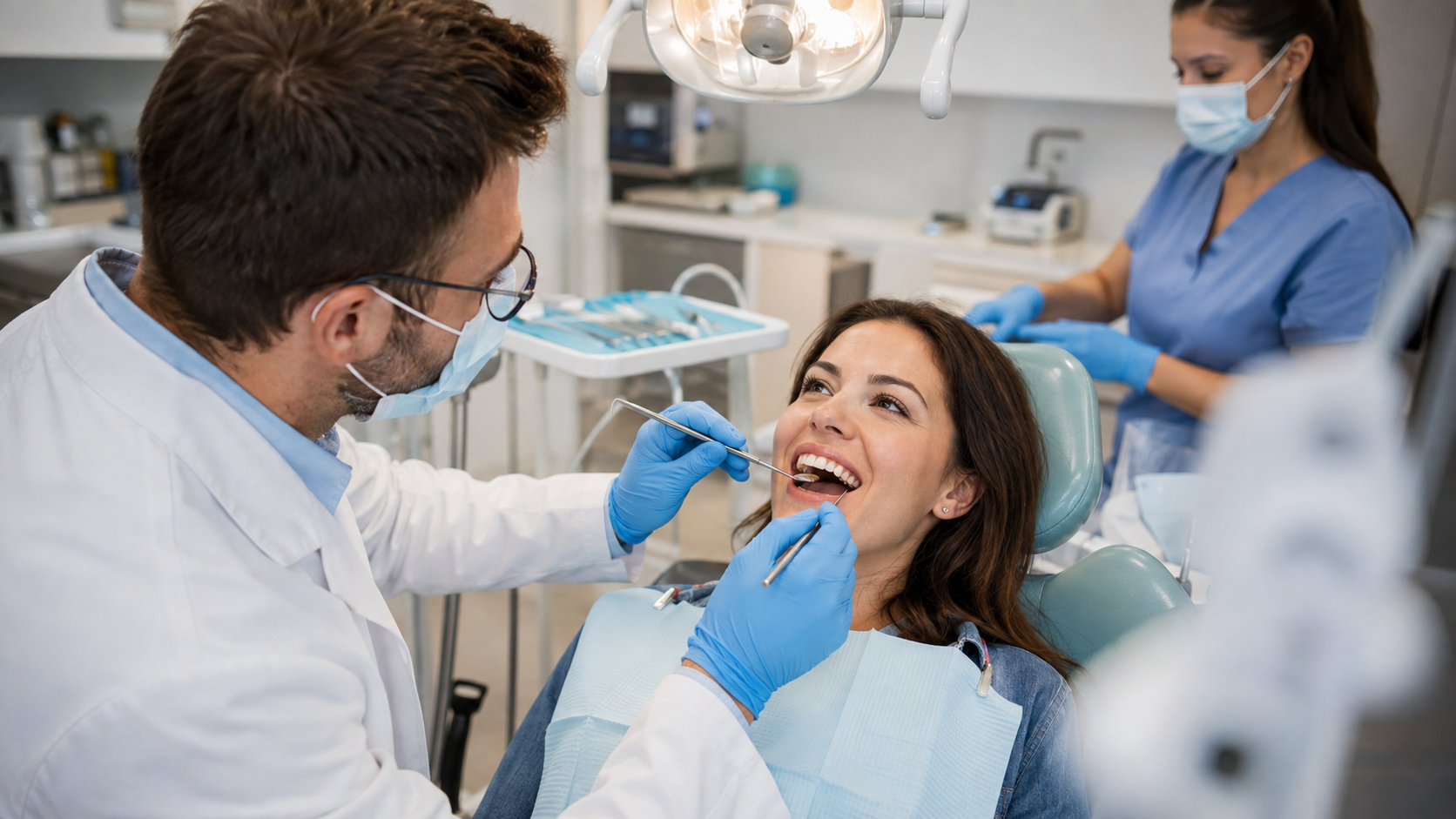
A family dentist provides dental care for patients at many stages of life. Instead of visiting different offices for children, adults, and older family members, many households prefer one practice that can care for everyone’s routine oral health needs.
Family dentistry often includes preventive services, restorative treatments, gum health support, cosmetic options, and patient education. The goal is to help patients maintain healthy teeth and gums while catching concerns early, before they become more complex.
Common family dental services
While every practice is different, a family dental office may offer services such as:
- Dental exams and professional cleanings
- Digital X-rays when needed
- Fluoride treatments and dental sealants
- Tooth-colored fillings
- Dental crowns and bridges
- Gum disease screenings and periodontal maintenance
- Nightguards or mouthguards
- Teeth whitening and cosmetic consultations
- Dental implant consultations or restorations
- Emergency dental evaluations
For patients, the benefit is convenience and continuity. When one dental team understands a family’s history, habits, concerns, and goals, care can feel more personal and easier to manage.
Why Local Families Benefit from Consistent Dental Care
Dental health is closely connected to daily routines. Brushing, flossing, nutrition, hydration, nighttime grinding, medications, and health conditions can all affect the mouth. Regular visits help a dental team monitor these factors over time.
For families in Doylestown, choosing a nearby dental office can also reduce the stress of scheduling. When appointments fit more easily into school, work, and family routines, patients are more likely to keep up with preventive care.
Prevention is usually simpler than repair
Many dental problems start small. A tiny cavity, early gum inflammation, or minor enamel wear may not cause pain at first. During routine exams, a dentist can look for early signs and recommend steps to prevent worsening.
This matters because dental pain often appears after a problem has progressed. By the time a tooth hurts, it may need more involved treatment. Consistent checkups give patients a better chance of protecting comfort, function, and long-term oral health.
Children learn healthy habits early
Children who grow up visiting the dentist regularly often become more comfortable with dental care. A calm, positive experience can help reduce fear and build confidence.
A family dentist can also guide parents on age-appropriate brushing, flossing, diet, thumb-sucking, pacifier use, sports mouthguards, and cavity prevention. These simple conversations can make a big difference as children grow.
What to Look for in a Family Dentist in Doylestown, PA
Choosing a dentist is personal. Patients want clinical skill, of course, but they also want kindness, clear communication, and a sense that their concerns are taken seriously. A strong family dental practice should make patients feel informed rather than rushed.
1. A welcoming approach for all ages
A good family dentist understands that each patient has different comfort levels. A young child may need extra reassurance. A busy parent may need efficient visits. An older adult may have concerns about dry mouth, dentures, implants, or medication-related oral health changes.
Patients should look for a team that explains each step, invites questions, and adapts the visit to the person in the chair.
2. Preventive care as a priority
Prevention should be at the center of family dentistry. Cleanings, exams, oral cancer screenings, gum evaluations, and home-care coaching all help patients protect their smiles.
A prevention-focused office will not only tell patients what is wrong. It will explain why a concern is happening and what can be done to reduce future risk.
3. Modern technology and comfortable techniques
Dental technology can improve precision, comfort, and communication. Digital X-rays, intraoral cameras, modern materials, and updated treatment planning tools may help patients better understand their oral health.
Comfort also matters. Many patients feel nervous about dental visits. A compassionate practice will discuss comfort options, take breaks when needed, and avoid making patients feel embarrassed about their dental history.
4. Clear explanations and transparent treatment planning
Patients deserve to understand their options. If a dentist recommends treatment, the explanation should include what was found, why treatment may be needed, what alternatives may exist, and what could happen if care is delayed.
Clear communication helps patients make confident choices. It also builds trust, especially for families making decisions for children or older relatives.
5. Convenient scheduling and practical support
Life gets busy. A family-friendly dental office should help patients manage appointments, understand financial options, and plan care in a way that feels realistic.
Before choosing a practice, patients may want to ask about appointment availability, emergency visit policies, accepted payment options, and whether the office can coordinate multiple family appointments when appropriate.
When Should Patients Schedule a Dental Visit?
Most patients benefit from routine dental exams and cleanings on a regular schedule, often every six months. However, some people need more frequent visits due to gum disease, a higher cavity risk, dry mouth, orthodontic appliances, pregnancy-related oral changes, or certain medical conditions.
A dentist or hygienist can recommend the right schedule based on each patient’s oral health.
Signs it may be time to call sooner
Patients should consider scheduling a dental visit if they notice:
- Tooth pain or sensitivity
- Bleeding gums when brushing or flossing
- Swelling in the gums, jaw, or face
- A cracked, chipped, or loose tooth
- Persistent bad breath
- Jaw pain or frequent headaches
- A sore spot that does not heal
- A lost filling, crown, or dental restoration
Dental symptoms should not be ignored. Even mild discomfort can signal a concern that is easier to treat when addressed early.
How a Family Dentist Supports Children, Teens, Adults, and Seniors
One of the biggest advantages of family dentistry is that care can change as patients’ needs change. The dental concerns of a preschooler are different from those of a parent, and both are different from those of a grandparent.
Dental care for children
Children need gentle guidance, positive reinforcement, and preventive support. A family dentist may monitor tooth development, teach brushing techniques, recommend fluoride when appropriate, and discuss sealants for cavity-prone back teeth.
Early visits also help children understand that the dental office is a normal, safe place to go for health care.
Dental care for teens
Teenagers face unique dental risks. Sports injuries, sugary drinks, inconsistent brushing, wisdom tooth development, vaping, and orthodontic appliances can all affect oral health.
A family dentist can help teens build independence while explaining how everyday choices affect their smiles.
Dental care for adults
Adults often balance preventive care with restorative or cosmetic goals. They may need fillings, crowns, gum treatment, whitening, bonding, veneers, or replacement options for missing teeth.
Many adults also experience stress-related clenching or grinding. A dentist can check for wear patterns and discuss options to protect the teeth and jaw.
Dental care for older adults
As patients age, oral health needs may change. Dry mouth, gum recession, tooth wear, medical conditions, and medications can increase the risk of cavities and gum problems.
Older adults may also have questions about dentures, implants, bridges, or maintaining existing dental work. A family dentist can help create a plan focused on comfort, function, and quality of life.
Questions to Ask Before Choosing a Dental Practice
Patients looking for a family dentist in Doylestown, PA may find it helpful to call the office or review the practice website before scheduling. A few thoughtful questions can reveal whether the office is a good fit.
- Does the practice see both children and adults?
- What preventive services are offered?
- How does the team help nervous patients feel comfortable?
- What happens if a patient has a dental emergency?
- Are treatment options explained before care begins?
- Does the office discuss costs and payment options clearly?
- Can family members schedule visits close together?
The answers should feel clear, respectful, and patient-centered. A dental office should welcome questions, not discourage them.
How to Prepare for a First Visit
A first appointment is a chance for the dental team to get to know the patient and understand their goals. To make the visit smoother, patients can bring a list of medications, insurance information if applicable, previous dental records if available, and any questions or concerns.
It is also helpful to mention dental anxiety, past negative experiences, health conditions, pregnancy, allergies, or jaw discomfort. These details help the team personalize care.
What patients can expect
A first visit may include a review of medical and dental history, a comprehensive exam, periodontal screening, X-rays if needed, and a discussion about findings. Depending on the situation, a cleaning may happen during the same visit or may be scheduled separately.
The goal is not to overwhelm the patient. A thoughtful dental team will explain what is happening, answer questions, and recommend next steps based on the patient’s needs.
FAQ: Family Dentist Doylestown PA
What is the difference between a family dentist and a general dentist?
A general dentist provides routine dental care for adults and may also treat children. A family dentist typically focuses on caring for patients across multiple age groups, often making it easier for households to receive care in one office.
How often should a family visit the dentist?
Many patients visit every six months for exams and cleanings, but some need a different schedule based on gum health, cavity risk, medical conditions, or dental history. A dentist can recommend the best timing after an exam.
At what age should a child start seeing the dentist?
Children should begin dental visits early, typically around the time the first tooth appears or by the first birthday. Early visits help parents learn how to care for baby teeth and help children become comfortable with the dental setting.
Can a family dentist help with dental anxiety?
Yes. Many family dentists work with nervous patients of all ages. Patients should share their concerns before or during the visit so the team can explain procedures, move at a comfortable pace, and discuss available comfort options.
What should a patient do during a dental emergency?
Patients with severe pain, swelling, trauma, a knocked-out tooth, or signs of infection should contact a dental office as soon as possible. If symptoms affect breathing, swallowing, or involve serious facial trauma, emergency medical care may be needed.
Does a family dentist offer cosmetic dentistry?
Many family dental practices offer cosmetic services such as whitening, bonding, veneers, or smile consultations. Patients interested in cosmetic improvements should schedule an exam to make sure the teeth and gums are healthy before treatment.
A Healthy Smile Starts with the Right Dental Partner
Choosing a family dentist is about more than finding a convenient appointment. It is about building a relationship with a dental team that listens, explains, and supports long-term oral health for every stage of life.
For patients searching for a family dentist in Doylestown, PA, a good first step is to schedule a consultation or routine exam, ask questions, and look for a practice that values comfort, prevention, and personalized care.
Doylestown Dental Cosmetic Center welcomes patients who want practical guidance, gentle care, and a clear path toward a healthier smile. Anyone with questions about dental visits, treatment options, or preventive care is encouraged to reach out and take the next step with confidence.


