

You’re probably wondering how much veneers cost in Doylestown, PA and whether they’re worth the investment for your smile. Typical veneer prices in the area usually range from a few hundred to over a thousand dollars per tooth, depending on the type, lab work, and the dentist’s experience, so you can start planning realistically before you call for a consult.
They’ll find clear explanations on options (porcelain vs. composite), the steps involved, and what drives the price — from prep and lab fees to follow-up care and warranties. Expect practical guidance on insurance, financing, and how to choose a local dental team so the decision fits both your budget and comfort level.
Understanding Veneers: Purpose and Benefits
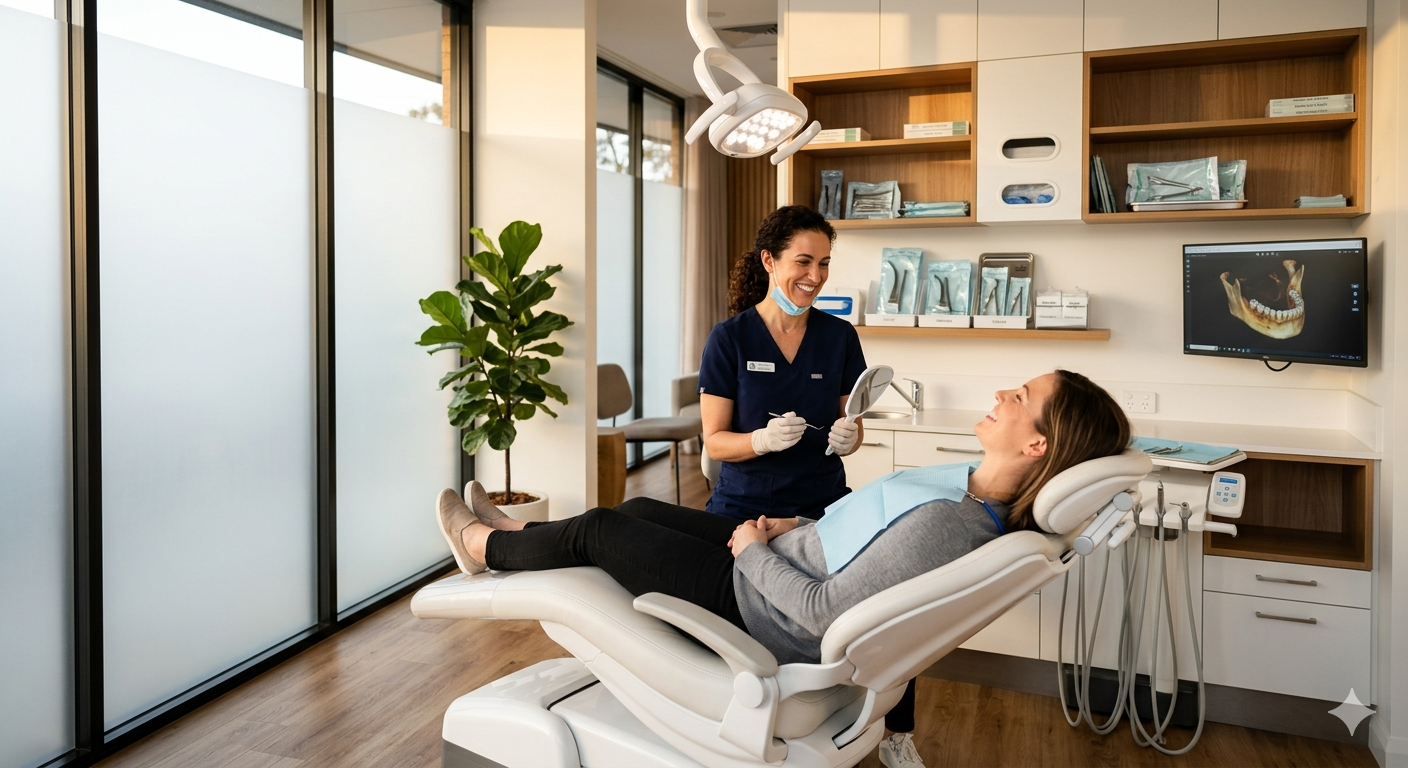
Veneers change the appearance and function of front teeth with thin shells bonded to enamel. They restore shape, color, or alignment while protecting damaged surfaces and can last a decade or more with proper care.
What Veneers Can Do for Your Smile
Veneers cover chips, cracks, worn edges, and deep stains that don’t respond to whitening. Porcelain veneers mimic natural enamel translucency and resist staining; composite veneers offer faster, less invasive repairs at lower cost.
They can close small gaps, lengthen short teeth, and correct minor misalignment without braces. Each veneer is custom-shaded and shaped to match surrounding teeth for a uniform look.
Patients often choose veneers to create evenly sized front teeth, fix a single problem tooth, or rebuild smiles after erosion from acid reflux or bruxism. Dentists assess bite and enamel thickness to ensure veneers will function without creating added stress.
Who Is a Good Candidate
Ideal candidates have healthy gums, adequate enamel, and realistic expectations about outcomes and maintenance. Severe gum disease, unchecked decay, or very thin enamel may require treatment before or instead of veneers.
Patients with large bite forces or significant misalignment might be better served by crowns or orthodontics first. A dental exam, X-rays, and digital photos help the dentist decide if veneers will fit the bite, preserve tooth structure, and deliver long-term results.
Age alone is not a barrier; many adults in Doylestown seek veneers for cosmetic improvements or post-restorative needs. Dentists discuss staining resistance, longevity, cost differences between porcelain and composite, and any potential need for replacement down the line.
Confidence and Oral Health Improvements
Veneers often boost self-confidence by producing a consistent, attractive front-tooth appearance that patients show in photos and social situations. That psychological benefit can encourage better oral hygiene and more regular dental visits.
Functionally, veneers restore bite surfaces and protect compromised enamel from further wear. Properly placed veneers reduce sensitivity from exposed dentin and can simplify cleaning compared with irregular, damaged tooth surfaces.
Dentists emphasize preventive care after veneer placement: twice-daily brushing with non-abrasive fluoride toothpaste, daily flossing, and routine checkups to monitor margins and bite. Night guards may be recommended for grinders to extend veneer life and protect surrounding teeth.
Types of Veneers Available in Doylestown PA
Veneer options in Doylestown vary by material, durability, cost, and how much tooth preparation is needed. Patients commonly choose between porcelain and composite resin, each with trade-offs in longevity, appearance, and price.
Porcelain Veneers
Porcelain veneers offer the most lifelike translucency and stain resistance, making them a top choice for patients prioritizing a natural, long-lasting smile. A typical porcelain case in Doylestown involves two appointments: a conservative tooth preparation and an impression visit, followed by placement once the lab-crafted veneers arrive. Local labs often use layered feldspathic or lithium disilicate ceramics; lithium disilicate (e.g., IPS e.max) provides higher strength for patients who clench or need larger restorations.
Costs in Doylestown usually run higher than composite due to lab work and material quality. Porcelain veneers commonly last 10–15 years with good oral hygiene and regular dental checkups. They bond predictably to enamel, so dentists often remove minimal tooth structure to preserve strength and reduce sensitivity.
Composite Resin Veneers
Composite resin veneers let patients get a smile makeover in one visit with lower upfront cost than porcelain. The dentist sculpts tooth-colored resin directly onto prepared teeth or places preformed composite shells, then cures and polishes them to shape. Materials vary from microhybrid to nanohybrid composites; newer nanocomposites offer improved polishability and wear resistance.
Composite veneers typically last 5–8 years and can be repaired chairside if they chip or stain. They stain more easily than porcelain and may require periodic polishing or touch-ups. For budget-conscious patients or those wanting reversible options, composite provides a practical, maintainable solution with quicker turnaround.
Comparison of Materials
- Appearance: Porcelain mimics enamel translucency better; composite looks good but may lack the same depth.
- Durability: Porcelain lasts longer (10–15+ years); composite usually 5–8 years.
- Cost: Porcelain is more expensive due to lab fabrication; composite is more affordable and often completed in one visit.
- Repairability: Composite repairs are simple and low-cost; porcelain repairs usually require lab work or replacement.
- Tooth preparation: Porcelain often needs slight enamel reduction; composite can be more conservative or even no-prep in select cases.
- Stain resistance: Porcelain resists staining; composite can discolor and needs maintenance.
Patients should weigh appearance, lifespan, budget, and enamel preservation. Dentists in Doylestown typically review mock-ups, shade options, and financing to help patients choose. A consultation clarifies which material suits a patient’s bite, habits, and aesthetic goals.
Breakdown of Veneer Pricing Factors
Costs vary based on material choice, the dentist’s experience and equipment, and how many teeth require veneers. Each factor changes the final price in predictable ways, so patients can plan and compare estimates.
Material Choices and Their Costs
Porcelain veneers typically cost more than composite because porcelain offers superior translucency, stain resistance, and longevity. Porcelain prices in Doylestown often range from mid to high hundreds up to $1,200–$2,000 per tooth depending on the lab and ceramic type.
Composite resin is less expensive, commonly $250–$900 per tooth, and can be completed in one visit with direct bonding. It stains more easily and usually needs replacement sooner, which affects lifetime cost.
Within porcelain, brands and techniques matter: e.max and feldspathic ceramics command higher fees due to strength and esthetic results. Custom shading, characterization, and layered glazing increase lab charges. Ask the practice for a written quote specifying material, lab warranty, and estimated lifespan.
Dentist Expertise and Technology
A highly experienced cosmetic dentist charges more, reflecting training in smile design, bonding techniques, and complication management. Fees rise when an office uses digital smile design, CAD/CAM milling, or in-house milling units—these reduce appointment time and improve fit but add to overhead.
Sedation options, advanced imaging (CBCT or intraoral scanners), and single-visit crowns or temporaries also affect price. Practices that include pre-treatment mockups or trial veneers may bill separately or bundle those services into the total.
Compare credentials (accreditations, years performing veneers, before-and-after photos) and ask whether the quoted price includes follow-up visits, adjustments, and any laboratory remakes. That clarity prevents surprise charges after placement.
Number of Veneers Needed
Per-tooth pricing makes the total dependent on how many teeth receive veneers. Treating a single front tooth costs more per unit than a full smile makeover due to setup and laboratory minimums.
Many dentists recommend an even number of veneers for symmetry; for example, 6–8 upper teeth are common for visible central and lateral coverage. A full 10–12-tooth smile design multiplies material and lab costs but can yield the most cohesive aesthetic outcome.
Discuss staged treatment if budget is a concern: patients can start with the most visible teeth and add more later. Request an itemized estimate that lists per-tooth cost, lab fees, anesthetic or sedation charges, and any temporary restorations to calculate the true total.
What to Expect During the Veneer Process
This section explains the timeline, the main steps from planning to placement, and the follow-up care needed to keep veneers lasting and looking natural.
Consultation and Planning
During the initial visit, the dentist reviews medical and dental history and takes digital X-rays and intraoral photos to check bite, tooth structure, and gum health. They discuss cosmetic goals with the patient, showing before-and-after photos and using digital smile-design simulations when available to set realistic expectations.
A clinical exam verifies sufficient enamel for bonding; if enamel is thin, alternative options or minimal-prep veneers may be recommended. The dentist also outlines costs, financing, and whether sedation or anesthesia is appropriate for patient comfort.
Treatment planning includes selecting shade, material (porcelain vs. composite), and the number of teeth to treat. A written estimate and treatment timeline are provided, typically spanning two to three appointments over two to four weeks for porcelain veneers.
Steps in Preparation and Placement
Preparation usually begins by lightly reshaping the tooth surface—about 0.3–0.7 mm of enamel for porcelain veneers—so the final restoration sits flush with surrounding teeth. Local anesthetic is often used; most patients report minimal discomfort.
The dentist takes a final impression or digital scan to send to the lab. While porcelain veneers are fabricated (7–14 days), the clinic fits temporary veneers to protect teeth and maintain appearance and function.
At placement, the dentist checks fit, shape, and color, making minor adjustments and roughening the veneer interior for bonding. Teeth are cleaned, etched, and a dental adhesive is applied, then each veneer is cured with a light. The dentist verifies bite and makes final polishing adjustments before dismissing the patient.
Follow-Up Care for Long-Lasting Results
Patients should return for a follow-up visit 1–2 weeks after placement to check fit, bite, and gum response, with additional checkups at six months and annually. The dentist inspects margins and addresses any sensitivity or occlusal adjustments.
Daily care mirrors natural teeth: brush twice with a non-abrasive fluoride toothpaste and floss once daily. Avoid biting hard objects and limit staining foods and drinks; use a nightguard if bruxism exists to prevent chipping.
If a veneer chips or debonds, contact the dental office promptly; many repairs can be completed in one visit. Routine cleanings and radiographs help detect issues early and protect the long-term investment in the patient’s smile.
Insurance Coverage and Payment Options
Patients often want to know whether veneers will be covered, what payment plans exist, and whether tax-advantaged accounts can help. The subsections below explain typical insurance limitations, practical financing choices, and how HSAs/FSAs can be used for veneer costs.
Understanding Dental Insurance
Most dental insurance plans classify veneers as cosmetic and do not cover them. If a veneer is placed to restore function after trauma or disease, some plans may cover part of the cost under restorative benefits — patients should request a preauthorization to confirm any coverage details.
When verifying benefits, patients should obtain: the insurer’s written preauthorization, specific codes used (e.g., D2962 for prefabricated or D2963 for porcelain veneers), and any annual maximums or waiting periods. Knowing the plan’s deductible and whether lab fees are included helps avoid surprise balances.
Dentists in Doylestown typically submit a predetermination estimate to the insurer showing tooth-specific codes and supporting clinical notes or photos. This documentation speeds claims and clarifies patient responsibility before treatment begins.
Financing and Payment Plans
Many Doylestown dental practices offer in-office payment plans that split the balance into interest-free monthly payments for 3–12 months. For larger balances, third-party medical credit companies like CareCredit or LendingClub Patient Solutions provide longer-term financing, often with promotional 0% APR periods if paid within a set term.
Patients should compare interest rates, late fees, and total repayment amounts. For example, a $4,000 veneer case on a 12-month 0% plan costs $333 monthly, while the same amount at 9% APR over 36 months raises the monthly payment and total interest substantially.
Dental offices often accept major credit cards and cash, and some offer discounts for full upfront payment. Asking the office for a written payment schedule and any administrative fees prevents misunderstandings.
HSA and FSA Utilization
Health Savings Accounts (HSAs) and Flexible Spending Accounts (FSAs) can reimburse veneer costs when a licensed dentist determines the procedure is medically necessary. Cosmetic-only veneers usually do not qualify, but documentation showing restoration after injury, decay, or congenital defect may meet eligibility rules.
Patients should submit an itemized receipt with CDT procedure codes and a dentist’s letter of medical necessity to their HSA/FSA administrator. Retain copies in case the administrator requests additional proof or audits the claim.
Timing matters: FSAs have use-it-or-lose-it rules and specific plan-year deadlines, while HSA funds roll over year to year. Confirm current plan rules and keep treatment estimates handy to plan contributions and payment timing accordingly.
Longevity and Value: Cost Over Time
Veneers represent an investment in appearance and oral function. The next paragraphs explain typical lifespan, upkeep needs, and how veneers compare financially to other cosmetic options.
How Long Veneers Last
Porcelain veneers typically last 10–15 years when placed and maintained correctly. Some high-quality porcelain restorations can reach 20 years, but that depends on bite forces, bruxism, and oral hygiene. Composite veneers usually last 5–7 years and cost less upfront, but they stain and chip sooner.
Patients who avoid hard foods, use a nightguard for grinding, and maintain routine dental cleanings extend veneer life. The dentist’s skill and laboratory quality also influence longevity; bonded margins and correct tooth preparation reduce replacement risk. Location matters: Doylestown practices with established labs and restorative specialists often deliver longer-lasting results.
Maintenance and Potential Repairs
Daily care mirrors natural teeth: twice-daily brushing with non-abrasive toothpaste and flossing prevent gum recession and staining. Regular six-month checkups let the dentist monitor margins, detect microleakage, and polish surface stains before they worsen. Nightguards reduce fracture risk for patients who clench or grind.
Minor chips or stains on porcelain veneers usually require polishing or resin repair; larger fractures may need veneer replacement. Expect repair visits in Doylestown to range in cost: simple resin touch-ups are lower, whereas full replacement matches initial veneer prices. Insurance rarely covers cosmetic repairs, so ask about warranty programs and financing options at the dental office.
Comparing Veneers to Alternative Options
Porcelain veneers cost more upfront than composite veneers and teeth whitening but typically outperform them in durability and stain resistance. Teeth whitening costs less but cannot correct shape, alignment, or large restorations. Orthodontics corrects alignment permanently but can be longer and more expensive depending on complexity.
For patients seeking quick aesthetic change, composite veneers or bonding offer lower initial cost but more frequent maintenance. For those wanting long-term stability and natural translucency, porcelain veneers justify higher costs over time by reducing repeat procedures. Dentists in Doylestown often provide cost comparisons and treatment timelines so patients can weigh short-term expense against long-term value and comfort.
Choosing the Right Dental Team in Doylestown PA
Finding a dental team that combines technical skill, clear communication, and a comfortable office matters for predictable veneer results. Patients should prioritize specific credentials, documented cosmetic experience, and an office culture that supports gentle, patient-centered care.
Qualities to Look For in a Provider
Look for a dentist with active licensure in Pennsylvania and membership in professional organizations such as the American Academy of Cosmetic Dentistry (AACD) or the Pennsylvania Dental Association. These affiliations signal continuing education and adherence to standards.
Verify that the practice discloses fees transparently and offers a written treatment plan with itemized costs for veneers, temporary restorations, and follow-up visits. Ask whether the practice provides digital smile previews (e.g., digital mockups or trial temporaries) so patients can see expected outcomes before irreversible work begins.
Check patient reviews and before‑and‑after photos specific to veneers rather than general dentistry. Confirm that the office uses accredited dental labs and provides a warranty or reasonable policy for adjustments and remakes.
Experience With Cosmetic Dentistry
Prioritize a dentist who routinely places porcelain veneers and can show a portfolio of cases with similar starting conditions—stained enamel, gaps, or minor misalignment. Experience with a range of cases reduces surprises and improves aesthetic consistency.
Assess familiarity with contemporary veneer materials (lithium disilicate, feldspathic porcelain) and techniques like minimal‑preparation veneers and bonding protocols. Ask about the number of veneer cases completed annually and whether the dentist handles complex smile design or refers to a specialist for severe occlusal or restorative needs.
Confirm coordination with the dental laboratory and whether the dentist works with the same ceramist regularly. Consistent lab partnerships and documented case planning (photos, mockups, shade mapping) yield more reliable color matching and fit.
Comfort and Patient-Centered Care
Evaluate the office environment for cleanliness, clear signage, and friendly staff who explain financial options and appointment logistics up front. Observe whether staff ask about dental anxiety and offer comfort measures such as topical anesthetic, nitrous oxide, or sedation options when appropriate.
During the consultation, the team should perform a focused exam, take diagnostic photos and x‑rays, and explain risks and alternatives in plain language. They should provide a written consent form and a timeline for treatment steps, healing, and follow‑up.
Look for practices that offer flexible scheduling, a secure patient portal for questions, and post‑procedure check-ins. These elements reduce stress and help ensure predictable results and timely adjustments if needed.
Taking the Next Steps Toward Your New Smile
They should start by scheduling a consultation with a trusted Doylestown dentist to review goals, health history, and realistic outcomes. During this visit, the dentist will examine teeth, take X‑rays, and discuss whether veneers or alternative treatments suit their needs.
They will receive a clear cost estimate that breaks down fees for the lab, materials, and any preparatory work. Many practices offer payment plans, third‑party financing, or in‑office membership plans to make treatment more manageable.
They can ask for a digital smile preview or temporary mock‑ups to visualize results before committing. This reduces uncertainty and helps align expectations between patient and clinician.
They should confirm how many appointments the process requires and what each visit involves — from prepping teeth to final bonding. Knowing the timeline helps plan time off work and arrange follow‑up care.
A short checklist can help them prepare:
- Bring a list of current medications and insurance details.
- Note specific aesthetic concerns or photos of desired smiles.
- Prepare questions about longevity, maintenance, and warranty.
They will also get advice on maintenance: gentle brushing, flossing, avoiding hard habits, and routine dental visits preserve veneers longer. If pain, sensitivity, or chips occur, prompt contact with the dental office usually resolves issues quickly.
They are encouraged to ask for written estimates and treatment plans, and to compare options across local practices. Call or book online to start the consultation and get personalized guidance for veneers in Doylestown.
Frequently Asked Questions
This section answers specific cost and care questions about veneers in Doylestown, PA, including per-tooth pricing, differences between materials, typical additional fees, payment options, number of veneers commonly used, and repair or replacement costs. It aims to give clear, actionable figures and practical tips for patients considering veneers.
How much do porcelain veneers typically cost per tooth, and what factors can make the price go up or down?
Porcelain veneers in Doylestown typically range from $1,000 to $2,200 per tooth.
Prices increase for complex cases that require preparatory work such as gum contouring, root canal therapy, extensive tooth preparation, or highly customized shade matching.
Laboratory quality affects cost: premium lab or custom-milled ceramic often costs more.
Dentist experience and the location of the practice in Doylestown can also raise fees.
What’s the difference in cost between porcelain veneers and composite veneers, and which option tends to last longer?
Composite veneers usually cost $250 to $700 per tooth, making them the less expensive option.
Porcelain veneers tend to last 10–20 years, while well-maintained composite veneers last 5–7 years on average.
Porcelain resists staining and chips better, which contributes to its longer lifespan and higher upfront cost.
Composite allows quicker placement and easier repairs, but it stains and wears faster.
Do veneers usually include the consultation, X-rays, and follow-up visits, or are those separate fees?
Initial consultation fees vary: some offices include a basic exam, while others charge $50–$200.
Diagnostic X-rays and digital scans are often billed separately, typically $25–$150 depending on the imaging used.
Follow-up visits for adjustments may be included for a short period after placement, but long-term checkups follow normal exam fees.
Always request a written estimate that itemizes consultation, imaging, lab fees, and post-placement visits.
Are there financing or monthly payment options available to help make veneers more affordable?
Many Doylestown dental practices offer third-party financing through companies like CareCredit or in-office payment plans.
Typical terms include 6–24 months interest-free options or extended plans with interest.
Some offices provide membership or subscription plans that reduce upfront exam fees and offer discounts on restorative work.
Patients should compare APR, monthly payment amounts, and any deferred-interest conditions before committing.
How many veneers do most people need to improve their smile, and how does that affect the total cost?
Most patients opt for 6–8 veneers to create a balanced, symmetrical smile; some choose 10–12 depending on the visible teeth when smiling.
Total cost equals the per-tooth fee multiplied by the number of veneers, plus any preparatory or lab fees.
Choosing fewer teeth reduces upfront cost but may limit aesthetic harmony if adjacent natural teeth differ.
Dentists in Doylestown typically provide a mock-up or digital preview so patients can decide the ideal number.
If a veneer chips or needs replacement later, what should I expect to pay and how can I help prevent that?
Repairing a small chip in a composite veneer is often inexpensive, around $50–$200 for a touch-up.
Replacing a porcelain veneer typically costs close to the original per-tooth price, often $800–$2,200 depending on materials and lab fees.
Prevention includes avoiding hard foods, not using teeth as tools, wearing a nightguard for grinding, and maintaining regular dental checkups.
Promptly reporting damage to the dental office can enable repairs that prevent full replacement.


