

You’re often one unexpected knock, fall, or sharp toothache away from needing urgent dental care in Doylestown, PA. If you face a broken tooth, severe pain, uncontrolled bleeding, or swelling, seek emergency dental services right away to reduce pain and protect your smile.
A local emergency dentist can guide you through what to expect, from same-day exams and X-rays to temporary repairs and pain control. This article explains how to recognize true dental emergencies, the treatments you may get, how to choose a reliable Doylestown provider, and practical steps you can take immediately to stabilize the situation.
Recognizing a Dental Emergency
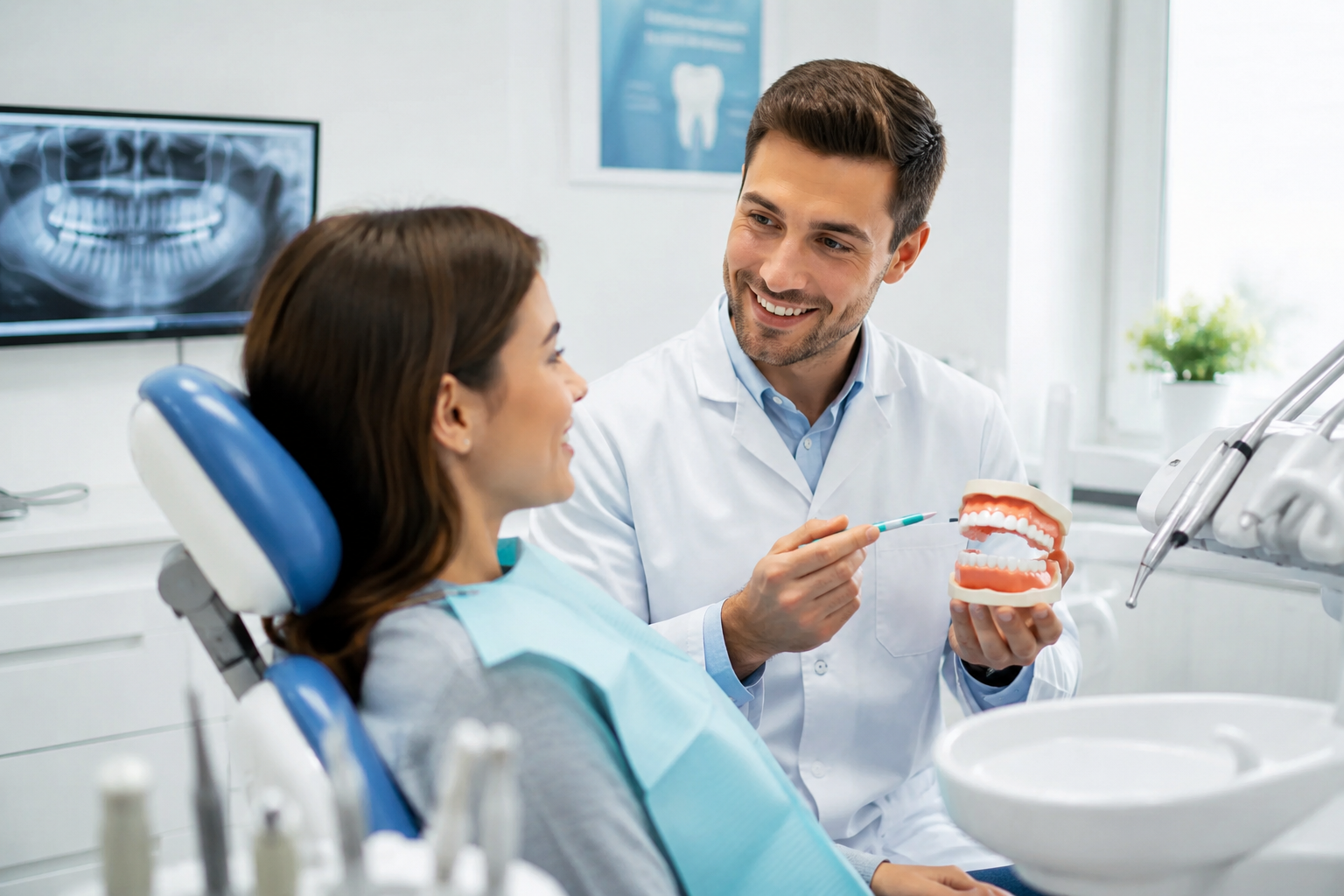
This section identifies clear, actionable signs of urgent dental problems, explains when immediate care is necessary, and lists practical steps to take before arriving at the dental office.
Common Signs of Urgent Dental Issues
Intense tooth pain that wakes a person at night, worsens with pressure, or does not respond to over-the-counter pain relievers often signals a serious infection or nerve damage. Persistent, throbbing pain localized to one tooth or area requires prompt evaluation.
Visible trauma—such as a completely knocked-out tooth, a tooth fractured through the root, or a crown or filling dislodged exposing sensitive dentin—creates high infection and complication risk. Heavy bleeding from the mouth that does not slow after 10–15 minutes of pressure needs immediate attention.
Swelling of the face, jaw, or neck that affects breathing, swallowing, or speaking suggests a spreading infection and qualifies as a medical emergency. Fever combined with oral pain or swelling indicates systemic involvement and warrants urgent care.
When to Seek Immediate Care
Seek same-day dental care for a knocked-out permanent tooth; reimplantation within 30–60 minutes offers the best chance of saving it. If immediate reimplantation isn’t possible, place the tooth in milk or Hank’s Balanced Salt Solution and get to the office quickly.
Go to urgent care or the emergency department if swelling compromises breathing or swallowing, or if there is uncontrolled bleeding that won’t stop with direct pressure. For severe pain that cannot be managed with recommended doses of acetaminophen or ibuprofen, call the dental office for expedited treatment.
Prompt dental evaluation is also necessary for signs of spreading infection—rising fever, increasing redness, or rapidly enlarging swelling—or for traumatic injuries with jaw displacement, bone exposure, or loss of consciousness at the time of injury.
How to Respond Before Your Appointment
Control bleeding by applying firm, clean gauze or a tea bag with steady pressure for 10–15 minutes; avoid rinsing repeatedly, which can disrupt clot formation. For knocked-out teeth, hold by the crown only and rinse briefly with saline or milk—do not scrub the root.
Reduce pain and swelling with cold compresses applied 10 minutes on, 10 minutes off; use acetaminophen or ibuprofen per label instructions, unless contraindicated. Avoid hard or chewy foods if a tooth is loose or a crown is displaced; temporarily cover sharp edges with dental wax or sugar-free chewing gum.
Bring the patient’s ID, a list of medications and allergies, and, if available, the knocked-out tooth or broken restoration in a sealed container with milk or saline. Call the dental office en route to allow staff to prepare and reduce waiting time.
Types of Dental Emergencies
Common urgent dental problems include severe tooth pain, visible tooth damage, missing restorations, and cuts or lacerations inside the mouth. Each situation has clear first-aid steps and treatment priorities that affect pain control, infection risk, and chances to save a tooth.
Tooth Pain and Abscesses
Severe tooth pain often signals infection, pulp inflammation, or a cracked tooth. A persistent throbbing ache, sensitivity to hot or cold that lingers, or swelling of the gum or face suggests an abscess that requires prompt care to prevent spread of infection.
Initial care focuses on pain control and infection management. Recommended steps include rinsing with warm salt water, taking over-the-counter analgesics per label instructions, and applying a cold pack to reduce facial swelling. Avoid placing aspirin directly on the gum or tooth; that can burn tissue.
Definitive treatment typically involves drainage and removal of infected tissue—either root canal therapy to save the tooth or extraction if the tooth is nonrestorable. Antibiotics are prescribed when swelling extends beyond the tooth, systemic symptoms appear, or the patient is immunocompromised. The dentist will also review medical history and medications before prescribing.
Broken or Knocked-Out Teeth
A fractured tooth ranges from a small chip to a split that exposes the nerve; avulsion (knocked-out tooth) is a true dental emergency with time-sensitive steps. Immediate action dramatically improves the chance to save a permanent tooth.
For a broken tooth, recover any fragments, rinse the mouth and fragment with water, and apply gauze for bleeding. Cold compresses reduce swelling, and soft foods prevent further damage. For a knocked-out permanent tooth, handle only the crown, rinse debris with water (do not scrub), and attempt to reinsert the tooth into the socket if the patient is comfortable doing so.
If reinsertion isn’t possible, store the tooth in cold milk or Hank’s Balanced Salt Solution; avoid tap water and do not wrap the tooth in tissue. Seek emergency dental care within 30–60 minutes for the best prognosis. Treatment options include replantation with splinting, root canal therapy, or restorative repair depending on damage and time out of socket.
Lost Fillings and Crowns
A lost filling or crown can cause sensitivity, pain, and risk of decay or tooth fracture. Leaving a tooth exposed increases discomfort and the chance that the underlying tooth will deteriorate quickly.
Temporarily protect the tooth by cleaning it gently and applying dental cement or orthodontic wax over sharp edges. Over-the-counter temporary crown kits can provide short-term coverage until dental evaluation. Avoid sticky or hard foods that might worsen the situation.
The dentist will assess retention and decay, then choose repair or replacement. Options include re-cementing the existing crown if intact, fabricating a new crown, or placing a filling. If decay or fracture extends into the pulp, root canal treatment may be necessary before restoring the tooth.
Soft Tissue Injuries
Soft tissue injuries include cuts to the lips, cheeks, tongue, and gums and often cause significant bleeding or discomfort. These injuries can result from sports, falls, or bites and sometimes mask more serious dental trauma.
Control bleeding immediately with direct pressure using sterile gauze or a clean cloth. Cold packs reduce swelling and pain. If a foreign object remains embedded or bleeding won’t stop after 10–15 minutes of firm pressure, seek emergency care.
Dental providers examine the wound for depth, signs of infection, and damage to underlying teeth. Treatment may include professional cleaning, sutures for deep lacerations, antibiotics if contamination or high infection risk exists, and tetanus prophylaxis review. Follow-up care often focuses on monitoring healing and ensuring no tooth vitality issues develop.
What to Expect During Your Emergency Visit
Patients will receive prompt assessment, targeted pain control, and clear options for treatment and follow-up. The visit focuses on stopping pain or bleeding, identifying the cause, and creating a short-term plan to stabilize the tooth while outlining definitive care.
Same-Day Appointments
Patients in Doylestown often get same-day slots for urgent issues like severe toothache, knocked-out teeth, or broken restorations. The front desk typically asks about symptoms, injury timing, and any medical conditions to prioritize triage before arrival.
On arrival, a dental assistant collects medical history and vital signs when needed, then the patient moves to an exam room quickly. The dentist performs a focused exam and may provide immediate pain relief — local anesthetic, short course analgesics, or temporary dressing — to stabilize comfort.
If the tooth is avulsed (knocked out), the clinician follows established protocols: rinse the tooth without scrubbing, attempt reimplantation when appropriate, and splint the tooth. For infections or swelling, they may prescribe antibiotics and schedule drainage or extraction if required.
Personalized Comfort Measures
Clinics tailor comfort to the patient’s anxiety level and medical needs, offering nitrous oxide, oral sedatives, or IV sedation when indicated and available. Topical anesthetic, buffering agents, and slow infiltration techniques reduce injection discomfort for sensitive patients.
For children and older adults, staff use calming communication, shorter appointment segments, and caregiver involvement to ease stress. They provide written aftercare instructions and demonstrate home care steps like soft diet, cold packs, and medication timing to prevent complications.
Facilities also accommodate special needs such as allergy-safe materials, wheelchair access, and coordination with primary care physicians for patients on blood thinners or with cardiac conditions. Clear consent and explanation of risks keep patients informed before any urgent procedure.
Modern Diagnostic Tools
Clinics use digital X-rays and cone-beam CT selectively to pinpoint fractures, root issues, or abscesses with minimal radiation. Images appear quickly on-screen so the dentist can explain findings in plain language and show exactly where the problem lies.
Intraoral cameras provide close-up views of broken teeth or restorations, helping patients see the issue and understand proposed treatments. Vital signs monitoring, pulse oximetry, and infection-screening protocols support safe care, especially when sedation or antibiotics are considered.
Point-of-care tools like pulp testers and transillumination aid decisions about saving a tooth versus extracting it. The combination of fast imaging and targeted tests helps the team make efficient, evidence-based choices during a time-sensitive visit.
Available Immediate Treatment Options
Patients can expect focused steps to stop pain, control infection, and stabilize teeth until a definitive plan is possible. Clinics in Doylestown provide on-site medications, temporary restorations, and fast referrals for specialist care when needed.
Pain Relief and Infection Control
Clinicians first assess pain level, swelling, and fever to decide urgent interventions. For severe pain, they administer local anesthesia for immediate comfort and may inject long-acting anesthetic to allow time for further treatment.
Oral analgesics such as ibuprofen or acetaminophen are recommended with specific dosing based on weight and health history. Dentists often prescribe antibiotics (commonly amoxicillin or clindamycin for penicillin allergy) when there is facial swelling, spreading infection, or systemic signs; they explain duration, side effects, and the importance of completing the course.
When an abscess is present, incision and drainage or tooth-sparing root canal therapy may be performed same day to reduce bacterial load. Staff will provide written aftercare instructions: warm saline rinses, cold compresses for swelling, hydration, and signs that require immediate return (increasing swelling, difficulty breathing, or high fever). They document allergies and current medications to avoid interactions.
Temporary Repairs
Temporary repairs aim to stabilize the tooth and protect soft tissues until definitive care. For a fractured crown or lost filling, dentists use dental cement or composite resin as a short-term seal. These materials prevent sensitivity, limit bacterial ingress, and restore basic chewing function.
For knocked-out teeth arriving within the viable window (ideally under 60 minutes), clinicians attempt reimplantation using local anesthetic and splinting, then prescribe antibiotics and tetanus review when indicated. For loose crowns or bridges, re-cementation or a custom temporary crown can be placed that day. Staff provide clear instructions on eating restrictions, oral hygiene around the temporary, and when to schedule the permanent restoration.
Long-Term Solutions
After stabilizing the emergency, clinicians outline definitive treatments tailored to the tooth’s prognosis. Options include root canal therapy followed by a crown for structurally compromised teeth, full-coverage crowns for extensive fractures, or extraction with immediate or delayed implant placement when the tooth cannot be saved.
They explain timelines: root canal and crown typically require two visits over 2–4 weeks; implant placement may involve surgery, a healing period of several months, and a final crown. Patients receive cost estimates, insurance guidance, and comparisons (e.g., implant vs. bridge) to help decide.
The team emphasizes preventive follow-up: scheduled restorative appointments, oral hygiene coaching, and protective nightguards for patients with bruxism to reduce future emergencies. They encourage contacting the office with questions and booking the recommended definitive treatment promptly.
How to Choose an Emergency Dentist in Doylestown
Choose a dentist who responds quickly, communicates clearly, and has the skills to treat common emergencies like severe toothache, broken teeth, or lost restorations. Verify hours, availability for same-day care, and whether they take your insurance or offer transparent self-pay options.
Qualities to Look For
Look for dentists who list emergency or after-hours availability on their website and advertise same-day appointments. Clinics that display board certifications, years of practice, and specific emergency training (like advanced trauma courses) show preparedness.
Check clinic logistics: location near Route 202 or downtown Doylestown, on-site digital X-rays, and effective pain-management options (local anesthesia, short-term antibiotics when indicated). Read recent patient reviews for responsiveness, wait times, and how staff manage pain and anxiety.
Assess patient comfort features such as nitrous oxide or office sedation, clear treatment-cost estimates, and follow-up care for splints, root canals, or crowns. Preference should go to practices that coordinate with local hospitals and oral surgeons for complex trauma.
Questions to Ask Your Dental Provider
Ask: “Do you accept same-day emergency visits and what are typical wait times?” This clarifies immediate access and how quickly they can manage severe pain or bleeding.
Confirm treatment scope with: “Can you perform root canals, place temporary crowns, or refer to an oral surgeon if needed?” That ensures continuity of care beyond initial pain control.
Verify costs and payment: “What will an emergency exam cost, do you bill insurance directly, and what are options for self-pay?” Ask about emergency-specific fees, sedation charges, and payment plans.
Inquire about diagnostics and follow-up: “Do you use digital X-rays and will you schedule follow-up for definitive treatment?” Also ask how they handle after-hours calls and urgent issues that arise post-treatment.
Tips for Preventing Future Dental Emergencies
Preventing dental emergencies focuses on consistent daily care, using the right protective equipment during activities, and keeping up with professional dental visits. Small, specific actions—like replacing a toothbrush every three months or using a fitted sports mouthguard—reduce major problems later.
Healthy Habits at Home
They should brush twice daily with a soft-bristled toothbrush and fluoride toothpaste for two minutes each time to remove plaque effectively. Floss once daily, using gentle up-and-down motions to clean below the gumline where a toothbrush can’t reach.
Limit sticky and sugary snacks between meals; choose water, cheese, or raw vegetables instead. If they chew ice, pens, or hard candies, stop immediately to avoid cracked teeth.
Use an alcohol-free antiseptic mouthwash if recommended by the dentist to reduce bacteria and inflammation. Replace the toothbrush every three months or after illness. For dry mouth, sip water frequently and discuss saliva substitutes or medication adjustments with the dentist.
Protective Gear for Sports
They must wear a properly fitted mouthguard for any contact or high-impact sport—football, hockey, basketball, soccer, or skateboarding. Custom-fitted mouthguards from a dentist offer better protection and comfort than boil-and-bite or stock guards.
Protective helmets and face shields matter too; ensure the helmet fits snugly and fasten chin straps to limit facial impact. For children with braces, use a mouthguard designed for orthodontic appliances to prevent wire damage and soft-tissue injuries.
Store mouthguards in a ventilated case and clean them with mild soap and water after each use. Replace a mouthguard if it shows tears, deformations, or if the athlete reports looseness.
Routine Dental Checkups
They should schedule dental exams and cleanings every six months, or more often if the dentist recommends based on gum disease, cavities, or bruxism. Professional cleanings remove tartar that brushing can’t eliminate and let the dentist catch small problems—like a hairline crack or beginning decay—before they become emergencies.
Ask the dentist about dental X-rays every 12–36 months as indicated; X-rays reveal underlying issues such as root infections or bone loss. Discuss nightguards for teeth grinding, fluoride treatments for high-cavity risk, and sealants for children’s molars to prevent fractures and decay.
If pain, looseness, swelling, or a knocked-out tooth occurs between visits, call the dental office immediately for triage and same-day guidance.
Your Next Steps in a Dental Emergency
They should first assess the situation calmly and determine if it is life‑threatening. If there is heavy bleeding, difficulty breathing, or loss of consciousness, call 911 immediately.
For severe tooth pain, swelling, or a knocked‑out tooth, contact a local emergency dentist in Doylestown right away. Keep a knocked‑out tooth moist by placing it in milk or saliva and avoid touching the root.
Use the following quick checklist to guide immediate actions:
- Apply gentle pressure with gauze to control bleeding.
- Rinse the mouth with warm salt water to clean the area.
- Take over‑the‑counter pain relief if medically appropriate.
- Save broken tooth fragments and bring them to the appointment.
They should gather important information before arrival: insurance details, a list of medications, and a brief description of how the injury occurred. This helps the dental team triage and plan treatment faster.
When calling the emergency clinic, describe symptoms clearly and state whether the situation involves trauma, intense pain, or infection signs like fever. Many practices in Doylestown offer same‑day slots or after‑hours lines to prioritize urgent cases.
After initial treatment, follow all post‑care instructions and schedule any recommended follow‑up visits. If they have questions or need reassurance, contacting the dental office for guidance prevents complications and supports recovery.
Frequently Asked Questions
This section gives clear steps for common dental emergencies, when same-day care is needed, how soon certain injuries must be treated, and practical pain-relief and insurance information. It focuses on actionable advice specific to Doylestown emergency dental care and realistic expectations about treatment and timing.
What should I do right away if I break a tooth or lose a filling after hours?
Rinse the mouth gently with warm water to remove debris. Apply a cold compress to the cheek to reduce swelling and take OTC pain reliever if needed, following label directions.
Save any broken pieces in milk or saline and bring them to the clinic; sometimes the dentist can reattach fragments. If pain or sharp edges interfere with eating, use dental wax or sugarless gum to cover the area until an appointment.
Call the Doylestown emergency dental line — many offices have after-hours instructions or on-call dentists who can arrange same-day care or interim advice. Provide the time of the injury and describe symptoms like bleeding, severe pain, or numbness.
How can I tell if my toothache is serious enough to be seen the same day?
Severe, constant pain that wakes a person at night often indicates infection or an abscess and needs prompt evaluation. Swelling of the face, difficulty breathing or swallowing, and fever are signs of a spreading infection that requires same-day attention.
Localized pain triggered by biting, sudden sharp pain, or an ache that does not respond to OTC medication also merits urgent care. In Doylestown, dentists prioritize cases with systemic symptoms or rapidly worsening pain.
Can you treat a knocked-out tooth, and how quickly do I need to get to the office?
A knocked-out (avulsed) permanent tooth has the best chance of reimplantation if treated within 30–60 minutes. Handle the tooth by the crown only, rinse it with saline or milk if dirty, and try to reinsert it into the socket if possible; otherwise store it in milk or Hank’s Balanced Salt Solution.
Primary (baby) teeth generally should not be replanted; the office will advise based on the patient’s age and injury. Call the Doylestown emergency dentist immediately for instructions and to arrange urgent reimplantation if appropriate.
What are my options if I need an urgent tooth extraction, and will it hurt?
Options include simple extraction for visible teeth and surgical extraction for impacted or broken roots; sedation choices range from local anesthesia to nitrous oxide or oral sedatives. Dentists in Doylestown explain the recommended approach based on X-rays and the patient’s medical history.
Local anesthesia numbs the area so most patients feel pressure rather than pain during extraction. Postoperative prescriptions or recommendations for OTC pain control, ice packs, and soft foods help manage discomfort during healing.
How much does an emergency dental visit typically cost, and do you accept dental insurance?
Emergency visit fees vary by office and the complexity of care; an exam and X-rays have a separate charge from procedures like fillings, root canals, or extractions. Doylestown practices usually provide an estimate after assessing the injury.
Many emergency dental offices accept major dental insurance plans and offer payment options or financing for uninsured patients. Patients should call ahead with their insurance details to confirm coverage and any out-of-pocket estimates.
What pain relief steps are safe to try at home until I can be seen?
Take acetaminophen or ibuprofen according to the dosing instructions and avoid aspirin for children and for bleeding concerns. Apply a cold compress in 10–15 minute intervals to reduce swelling and numb pain.
Rinse with warm salt water to clean the area and reduce inflammation, and use clove oil on a cotton swab for temporary topical relief if tolerated. Avoid applying aspirin directly to the gums or tooth, and do not place heat on a swollen face if infection is suspected.


