

When a dental emergency strikes in Doylestown, you want clear steps and fast care so pain doesn’t ruin your day. You can get prompt, effective emergency dental treatment in Doylestown that addresses severe pain, knocked-out teeth, and infections—many local clinics offer same-day appointments or on-call coverage to stabilize the problem quickly.
This post explains what counts as a true dental emergency, what to do in the first crucial minutes, and which treatments local dentists use to relieve pain and preserve teeth. It also covers how clinics prioritize comfort, what aftercare looks like, and how to choose a Doylestown practice that fits your needs and budget.
Understanding Dental Emergencies
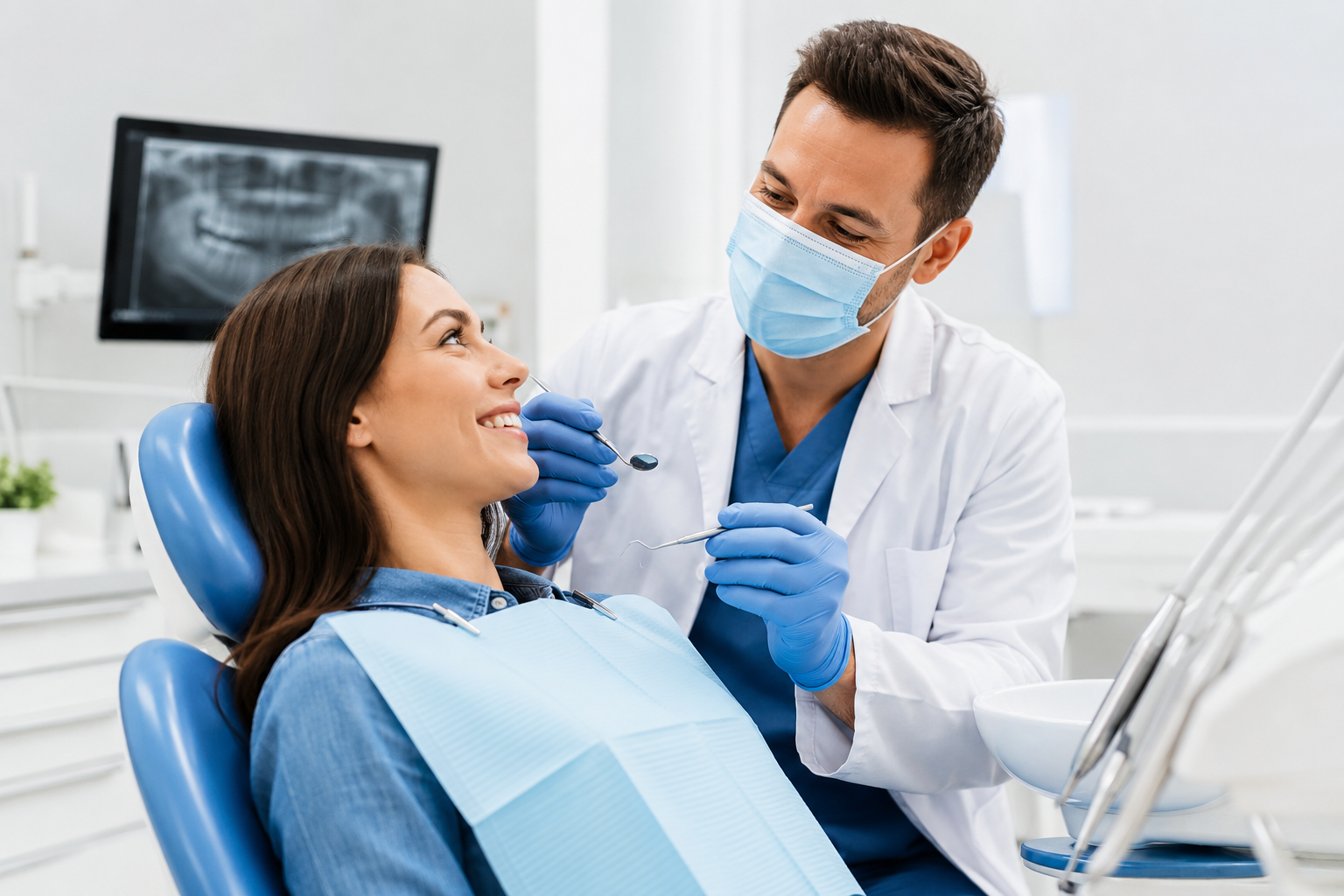
This section explains when dental problems need immediate care, what commonly causes sudden dental pain, and how to decide if a situation is urgent. It focuses on practical signs, likely causes, and clear actions a reader can take in Doylestown, PA.
What Constitutes a Dental Emergency
A dental emergency involves conditions that risk health, tooth loss, or rapid worsening without prompt treatment. Examples include uncontrolled bleeding after a tooth extraction, severe facial swelling that affects breathing or swallowing, and traumatic injuries with knocked-out (avulsed) teeth.
Other urgent issues include severe, unmanageable tooth pain that keeps a person from sleeping or functioning, a tooth fracture exposing the pulp, and deep infection with fever or spreading redness. Persistent drainage or a rapidly enlarging abscess also qualifies.
Less urgent but time-sensitive problems include a lost crown or filling that causes sensitivity or sharp edges, and mild to moderate toothaches without fever. Patients with medical conditions (e.g., heart disease, diabetes, immunosuppression) should treat escalating dental symptoms as more urgent.
Common Causes of Sudden Dental Pain
Sudden dental pain often stems from nerve inflammation inside the tooth (pulpitis) caused by deep decay, repeated dental procedures, or cracks that let bacteria reach the pulp. Pulpitis can present as sharp, throbbing, or lingering pain, often worse with heat or cold.
Another frequent cause is acute infection—periapical abscesses at the tooth root cause intense, localized pain, swelling, and sometimes fever. Trauma, such as biting hard foods or sports injuries, can crack teeth or damage supporting tissues and produce immediate pain.
Gum-related issues like severe periodontal abscesses or rapidly progressing gum disease also cause sudden pain. Referred pain from sinusitis or temporomandibular joint (TMJ) disorders can mimic tooth pain, so clinical evaluation is important to identify the true source.
Identifying Urgent Versus Non-Urgent Situations
Urgent situations require same-day or immediate dental attention: uncontrolled bleeding, facial swelling with breathing difficulty, avulsed permanent teeth, and severe pain with fever or spreading infection. Seek emergency care or call 911 if breathing or swallowing is compromised.
Non-urgent but prompt care (within 24–72 hours) includes a broken tooth without severe pain, lost restoration causing sensitivity, or moderate localized pain without systemic symptoms. These can usually wait for scheduled urgent appointments at a Doylestown dental clinic.
For ambiguous symptoms, use a checklist:
- Systemic signs (fever, malaise) or spreading swelling → urgent.
- Intense, continuous pain preventing daily activities → urgent.
- Intermittent, mild sensitivity or aesthetic issues → non-urgent.
When in doubt, contact a local emergency dental provider for guidance and possible same-day evaluation.
First Steps When Facing a Dental Emergency
Act quickly, stay calm, and focus on immediate actions that reduce pain and preserve tooth structure. The following advice covers first-aid at home, signs that require same-day care, and the exact details dentists need to act fast.
At-Home Care Tips for Immediate Relief
If a tooth is knocked out, handle only the crown and rinse debris with milk or saline; if possible, attempt to gently reposition and hold it in place or store it in milk or the patient’s saliva. Apply a cold pack to the cheek for 10–15 minutes every hour to limit swelling and reduce pain.
For severe toothache, rinse with warm saline to clear debris and use over-the-counter ibuprofen unless contraindicated; avoid aspirin directly on gums. If there is a broken crown or sharp edge, cover it temporarily with dental wax or sugar-free gum to protect the cheek and tongue.
For bleeding after trauma, have the patient bite on sterile gauze with firm pressure for 10–20 minutes. If bleeding soaks through gauze repeatedly or won’t stop after 30 minutes, seek urgent care. Keep the patient upright and monitor for signs of concussion (dizziness, vomiting, double vision), which require emergency evaluation.
When to Seek Same-Day Dental Attention
Immediate dental attention is necessary for an avulsed (knocked-out) permanent tooth, uncontrolled bleeding, severe facial swelling that affects breathing, or persistent, severe pain that does not respond to analgesics. Time is critical: reimplantation success for an avulsed tooth drops significantly after 60 minutes.
Same-day care is also advised for teeth fractured to the pulp (visible pink/red), loose teeth following trauma, or infections with spreading swelling or fever. Rapid treatment reduces the risk of permanent tooth loss and systemic infection.
If the patient shows neurological symptoms after a blow to the head, such as loss of consciousness, confusion, or repeated vomiting, seek emergency medical services immediately in addition to dental care. Call the dental office en route and describe the injury so staff can prepare.
Important Information to Share with Your Dentist
Provide the dentist with a precise timeline: when the injury or symptoms began, any at-home steps taken, and how long a knocked-out tooth was out of the mouth. Exact timing guides treatment choices like reimplantation or antibiotic use.
Describe current medications, especially blood thinners, and known allergies (penicillin, latex, local anesthetics). Note medical conditions such as diabetes, heart disease, or immunosuppression that affect healing and infection risk.
Explain the mechanism of injury (e.g., sports collision, fall, car accident) and list symptoms: bleeding, numbness, mobility of teeth, difficulty breathing, fever, or visible bone fragments. Share photos if available; they help triage and speed decision-making.
Types of Urgent Dental Issues
These urgent problems require prompt attention to relieve pain, prevent infection, and save teeth. Each situation has clear first-aid steps and typical treatments a local Doylestown practice will offer.
Severe Toothache and Swelling
Severe toothaches often signal infection of the tooth pulp or an abscess in the gum. Pain that wakes a patient at night, throbbing pain lasting more than a day, or fever with facial swelling indicates an infection that needs same-day evaluation.
Patients should rinse with warm saline and avoid placing aspirin directly on the gum. Over-the-counter ibuprofen or acetaminophen can reduce pain until they see a dentist. If facial swelling progresses or breathing/swallowing becomes difficult, urgent emergency room care is necessary.
Dentists in Doylestown will examine and take X-rays to locate the infection. Treatment commonly includes draining the abscess, prescribing antibiotics, and performing root canal therapy or extraction depending on tooth prognosis. Follow-up care focuses on healing, pain control, and discussing restorations like crowns if a tooth is saved.
Broken or Knocked-Out Teeth
A broken tooth that exposes nerve tissue or a tooth knocked out by trauma is a time-sensitive emergency. A clean, intact tooth that returns to the socket within one hour has the best chance of being replanted successfully.
For a knocked-out tooth, handle by the crown only, rinse briefly if dirty, and try to reinsert into the socket. If reinsertion isn’t possible, store the tooth in milk or a tooth-preservation kit and get to the dentist immediately. For fractured teeth, save any fragments and rinse the mouth with warm water to clear debris.
Dental teams will assess for root or jaw injury and use splinting to stabilize replanted or loosened teeth. Treatment may include bonding, crowns, root canal therapy, or extraction if the damage is beyond repair. The dentist will also check for bite alignment and recommend follow-up imaging and possible regenerative options.
Lost Fillings or Crowns
A lost filling or crown exposes the underlying tooth to decay, sensitivity, and infection. The exposed area may cause sharp pain when chewing or when consuming hot and cold foods, and it increases the risk of further structural damage.
Patients should keep the crown or filling clean and bring it to the appointment if possible. Temporary relief includes applying dental cement from a pharmacy or using sugar-free gum to cover the exposed tooth until a dentist can assess it. Avoid sticky or hard foods that could worsen the situation.
In Doylestown clinics, dentists will inspect the tooth, remove decay if present, and decide whether to re-cement the existing crown or replace it. Options include new crowns, onlays, or direct restorations with composite resin. The dentist will also evaluate surrounding teeth and bite to prevent repeat failures and recommend preventive strategies like improved hygiene or night guards if grinding is a factor.
Emergency Treatments Available in Doylestown
Most urgent dental care in Doylestown focuses on rapid pain relief, fixing broken teeth, and replacing or repairing lost fillings and crowns so patients can return to normal function quickly. Clinics there offer same-day evaluations, local anesthesia, and follow-up plans that prioritize comfort and long-term oral health.
Pain Management Solutions
Dentists in Doylestown begin with a focused exam to locate the source of pain — whether from a cracked tooth, exposed nerve, infected gum, or a recently placed restoration. They use digital X-rays and pulp testing when needed to determine whether the tooth needs temporary care, root canal therapy, or extraction.
Immediate pain control typically includes local anesthetic, short courses of prescription analgesics, and anti-inflammatory medications. For infection-related pain, clinicians often prescribe antibiotics guided by exam findings and medical history.
When anxiety or severe pain makes treatment difficult, offices offer nitrous oxide or oral sedation to keep patients comfortable. They also provide clear home-care instructions and a scheduled follow-up to complete definitive treatment once the acute issue stabilizes.
Repairing Damaged Teeth
For fractured or chipped teeth, Doylestown practices prioritize preserving tooth structure. Small chips are often smoothed and restored with composite bonding the same day, matching tooth shade and contour for a natural result.
More extensive fractures affecting the pulp require root canal therapy followed by a protective crown. Dentists use digital impressions and often place a temporary crown immediately, then fit a permanent crown at the next appointment.
If a tooth is split below the gumline or unrestorable, extraction with options for immediate implant placement or a bridge is discussed. Providers explain pros and cons, costs, and timelines so patients can choose a solution that fits their health needs and budget.
Restoring Lost Restorations
A lost filling or fallen crown is a common emergency handled quickly in Doylestown. If the restoration is intact, clinicians will recement it with adhesive systems and check margins to prevent leakage and recurrent decay.
When a filling is missing or a crown is broken, dentists remove any decay and replace the restoration with tooth-colored composite or a new crown. They prioritize durability in posterior teeth and aesthetics in visible areas, using high-strength ceramics and modern bonding techniques.
If a restoration failure reveals decay or root involvement, the practice presents options: re-restoration, root canal therapy, or extraction with replacement. They document findings with intraoral photos and X-rays and outline next steps, costs, and expected recovery so patients can make informed decisions.
How Local Dentists Prioritize Your Comfort
Dentists in Doylestown focus on reducing pain, anxiety, and recovery time while keeping patients informed. They combine soft-tissue care, precise anesthetic techniques, and technology that speeds diagnosis and treatment.
Gentle, Patient-Focused Techniques
Dentists use targeted local anesthesia, such as buffered lidocaine, to reduce sting and numb only the area needed. Staff explain each step before starting, and dentists check sensations throughout treatment to avoid surprises.
They offer nitrous oxide or oral sedatives for patients with dental anxiety, with clear pre-visit instructions and monitored recovery after the procedure. For children, providers use behavioral guidance and shorter appointments to limit stress and build trust.
Clinicians employ atraumatic extraction methods and minimally invasive protocols—periotomes, fine elevators, and conservative bone handling—to lessen postoperative pain and swelling. Postprocedure care includes written aftercare instructions, prescribed or recommended analgesics, and scheduled follow-up calls to monitor healing.
Modern Technology for Quick Relief
Dentists use digital X-rays and intraoral cameras to pinpoint problems within minutes, reducing time in the chair and avoiding unnecessary treatment. High-resolution images let them show patients the exact issue, explain options, and obtain informed consent quickly.
In-office same-day restorations use CAD/CAM milling to create crowns and veneers while the patient waits, eliminating multiple visits and temporary restorations. Laser dentistry controls bleeding, sterilizes tissue, and often shortens healing times for soft-tissue emergencies.
For infection and pain control, dentists can perform targeted root canal treatment with rotary instruments and apex locators to finish more predictably in fewer visits. When imaging suggests complex issues, they coordinate same-day referrals for CBCT scans or oral surgery consultations to expedite definitive care.
Aftercare and Prevention
This section describes clear steps to support recovery after emergency dental treatment and practical measures to reduce the risk of future dental crises. It focuses on daily care, signs that need prompt attention, and simple habits that prevent common emergencies.
Steps to Support Healing
After treatment, patients should follow the dentist’s written instructions exactly, including medication schedules and activity limits. For extractions or oral surgery, apply an ice pack 20 minutes on/20 minutes off for the first 24 hours to reduce swelling, then switch to warm compresses after 48 hours if swelling persists.
Keep the surgical site clean but avoid vigorous rinsing for 24 hours. After 24 hours, rinse gently with a warm salt solution (1/2 teaspoon salt in 8 oz water) four times daily, especially after meals. Brush teeth carefully with a soft-bristled brush; avoid the treated area until the dentist says it’s safe.
Eat soft, nutrient-dense foods like yogurt, mashed potatoes, and smoothies for the first few days. Avoid hard, crunchy, sticky, or very hot foods that can dislodge clots or damage repairs. If pain, fever over 101°F (38.3°C), persistent bleeding beyond 12 hours, or numbness lasts, contact the dental office or emergency number immediately.
Preventing Future Emergencies
Regular dental visits every six months allow early detection of decay and loose restorations that can become emergencies. Patients should replace worn fillings and repair cracked teeth promptly to prevent sudden pain or tooth loss.
Use a mouthguard for sports and a nightguard for teeth grinding (bruxism) to protect enamel and prevent fractures. Keep a small dental emergency kit at home with gauze, a small container for avulsed teeth, and the dentist’s after-hours contact information. For an avulsed permanent tooth, rinse briefly without scrubbing, place it back in the socket if possible, or store it in milk or saliva and see the dentist within one hour.
Maintain daily oral hygiene—brushing twice with fluoride toothpaste and flossing once—to reduce decay and gum disease risk. Discuss fluoride treatments, sealants for molars, and diet changes with the dentist to tailor prevention to individual risk factors.
Choosing the Right Dental Clinic in Doylestown
Patients should prioritize clinics that combine timely access, experienced clinicians, modern equipment, and clear pricing. Practical details — phone response, weekend hours, and accepted insurance — often determine whether a clinic eases stress during an emergency.
What to Look for in an Emergency Provider
Look for a dentist with documented emergency experience, such as staff who handle avulsions, severe infections, and fractured teeth daily. Check credentials: a DMD/DDS plus continuing education in trauma, endodontics, or oral surgery indicates focused training.
Assess the clinic’s facility: on-site digital X-rays, CBCT for complex cases, and in-office IV sedation or nitrous oxide for pain control matter when speed and comfort count. Read recent patient reviews that mention wait times, pain management, and follow-through care.
Confirm practical details: clear pricing for emergency exams, written estimates for procedures, and whether the clinic submits claims to major insurers like Delta Dental or Medicaid. Verify language services or handicap accessibility if relevant to the patient’s needs.
Availability and Response Times
Immediate phone triage matters. Clinics that answer 24/7 or return calls within 15–30 minutes can direct patients to same-day visits, urgent clinics, or ER referral when necessary.
Check published hours and after-hours policies. A Doylestown clinic that lists weekend shifts, an on-call dentist, or set emergency slots shows real readiness. Ask whether they offer walk-in slots or require phone triage before arrival.
Confirm how quickly in-person treatment begins after arrival. Leading clinics aim to seat emergency patients within 30–60 minutes depending on case severity, with severe infections or uncontrolled bleeding prioritized for faster care.
Navigating Insurance and Payment for Urgent Care
Patients should check their dental and medical insurance before an urgent visit to understand coverage for emergency procedures. Many plans cover pain relief, extractions, and limited emergency exams, but specifics vary by policy and provider.
The clinic staff can assist with benefit verification and pre-authorization to avoid surprises. They often call the insurer, estimate patient responsibility, and explain deductible or co-pay amounts.
Some practices accept major credit cards, CareCredit, and same-day payment with insurance assignment. Patients without coverage can ask about sliding-scale fees or payment plans to spread costs over time.
A short list of documents to bring speeds up processing:
- Photo ID
- Insurance card(s)
- List of current medications
- Any referral or prior dental records
If a patient needs out-of-network care, the office can provide an itemized receipt for possible reimbursement. They can also discuss when emergency treatment is billable to medical insurance, such as severe facial trauma or uncontrolled infection.
Patients are encouraged to call ahead when possible; a brief phone conversation can clarify costs and reduce stress. The clinic aims to combine urgent treatment with clear, compassionate financial guidance so patients focus on recovery rather than paperwork.
Building Confidence Through Preparedness
They recommend having a simple emergency plan so patients feel ready if a dental issue arises. Keep a small kit with gauze, a contact card for the Doylestown office, and over-the-counter pain relievers to manage symptoms until professional care arrives.
The team advises knowing when to seek urgent care versus a scheduled visit. Severe pain, uncontrolled bleeding, knocked-out teeth, or signs of infection warrant immediate attention; minor chips or sensitivity can often wait for a scheduled appointment.
A short checklist helps families act quickly and calmly:
- Contact info: dentist, after-hours number, nearby urgent care.
- First steps: rinse gently, control bleeding with sterile gauze, preserve a knocked-out tooth in milk or saline.
- Transport plan: how to get to the office or ER safely.
They emphasize preventive habits that reduce emergency visits. Regular checkups, night guards for grinders, and prompt treatment of small problems prevent escalation.
Staff in Doylestown explains what to expect during an emergency visit to ease anxiety. Clear communication about costs, pain control, and next steps builds trust and makes follow-up care straightforward.
Patients are encouraged to call the practice with questions or to review their emergency plan. A quick conversation can clarify actions and boost confidence before any urgent situation occurs.
Frequently Asked Questions
This section answers immediate steps for broken teeth, signs that require same-day care, extraction options, short-term pain control, what to bring for urgent crown or filling issues, and office hours/contact for after-hours help.
What should I do right away if I chip or break a tooth and it’s painful?
Rinse the mouth with warm water to clean debris and reduce bacteria. Apply a cold pack to the cheek for 10–15 minutes to slow swelling and reduce pain.
Save any tooth fragments in milk or saline and bring them to the dentist; sometimes they can be reattached. Take an over-the-counter pain reliever per label directions and avoid chewing on the injured side until treated.
How can I tell if a toothache is serious enough to be treated the same day?
Severe, persistent pain that wakes a person at night or worsens over hours usually needs same-day evaluation.
Visible swelling of the face, a high fever, or difficulty breathing or swallowing are signs of an infection that requires immediate care.
Mild, intermittent pain without swelling can often wait for the next available appointment, but persistent sensitivity to hot or cold also warrants prompt assessment.
Can I get a same-day tooth extraction if the pain is severe or the tooth is infected?
Many practices offer same-day extractions when pain or infection threatens health or comfort.
The dentist will take X-rays, evaluate medical history, and discuss anesthesia options before proceeding.
If infection is present, they may start antibiotics and pain control immediately and schedule extraction the same day or as soon as it’s safe.
What are my options for managing dental pain and swelling safely until I’m seen?
Use acetaminophen or ibuprofen according to package directions; alternating them can improve relief if appropriate and not contraindicated.
Apply cold packs externally for 10–15 minutes at a time to reduce swelling, then switch to warm compresses after 48 hours if recommended.
Avoid aspirin directly on gums or a tooth and skip hard foods; stick to soft, cool foods and fluids to limit irritation.
What should I bring and what can I expect during an urgent dental visit for a broken filling or crown?
Bring photo ID, current medications, dental insurance card, and any tooth fragments or crown pieces in a sealed container.
Expect a short medical history review, X-rays, and a clinical exam to determine whether re-cementing, a temporary repair, or a replacement restoration is best.
If same-day permanent restoration isn’t possible, the dentist will provide a temporary fix and schedule follow-up for a crown or final filling.
Do you offer evening or weekend emergency appointments, and how do I reach someone after hours?
Many Doylestown practices keep evening or weekend slots for urgent cases; availability varies by office.
Call the office phone number during business hours to confirm extended-hour options, and check the practice website for after-hours instructions.
If the office has an emergency line, follow the voicemail prompts to reach the on-call clinician for immediate guidance.


