

When dental pain strikes unexpectedly, knowing where to turn in Doylestown can make all the difference. An emergency dentist in Doylestown provides prompt care for urgent dental issues like severe toothaches, broken teeth, or oral injuries, helping patients avoid prolonged pain and complications. Immediate treatment can prevent small problems from becoming bigger, more costly ones.
Patients often worry about the timing and availability of emergency dental services, but many local dentists offer flexible hours or same-day appointments to address these concerns. Whether it’s a weekend or late evening, access to expert care is closer than most realize.
Understanding what qualifies as a dental emergency and how to act quickly can ease stress during a difficult moment. The right emergency dentist not only delivers expert treatment but also offers reassurance and guidance every step of the way.
What to Do in a Dental Emergency
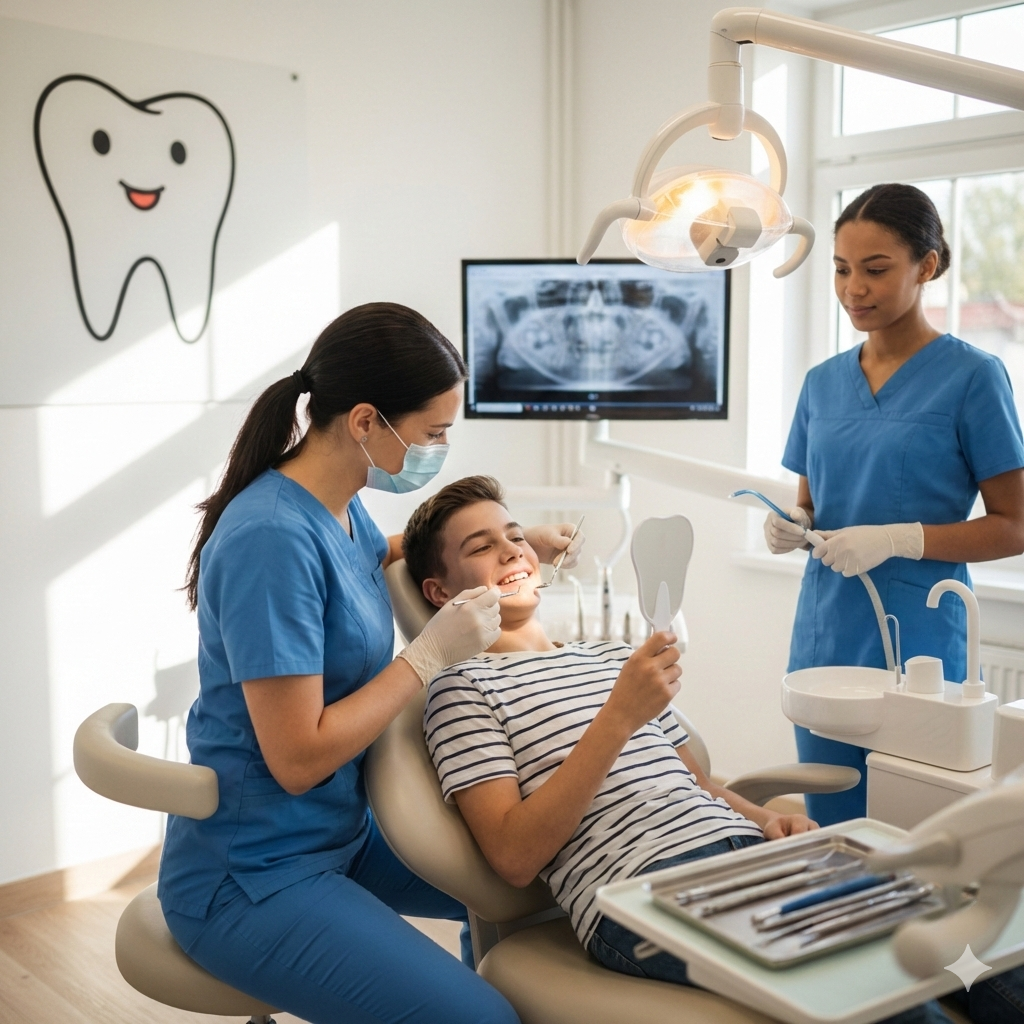
Knowing how to act quickly and calmly can make a big difference when dental problems strike. Immediate steps can reduce pain, prevent further damage, and improve treatment outcomes.
Recognizing Urgent Dental Issues
A dental emergency often involves sudden pain, bleeding, or visible damage. Serious signs include severe toothache that won’t stop, a knocked-out tooth, or a cracked tooth causing sharp pain. Uncontrolled bleeding or swelling around the face and jaw also requires prompt attention.
Not all toothaches require emergency care, but when pain is intense or accompanied by fever, it could indicate infection. Any injury from an accident, especially if teeth are loose or broken, should be treated quickly to save the tooth.
Steps to Take Before Visiting
If a tooth is knocked out, rinse it gently with water but do not scrub. Try to place it back in the socket or keep it in milk or saliva to preserve it. Quick action here matters — ideally, within an hour of the injury.
For bleeding, apply gentle pressure with a clean cloth or gauze to stop it. Avoid rinsing forcefully or using aspirin directly on the gums. Keep the head elevated and stay calm to reduce blood flow.
Call the emergency dentist in Doylestown as soon as possible to explain the problem and get instructions tailored to the situation.
Managing Pain and Discomfort
Over-the-counter pain relievers such as ibuprofen or acetaminophen can help reduce pain and swelling before reaching the dentist. Patients should avoid placing aspirin directly on any tooth or gum.
Cold compresses applied outside the cheek can minimize swelling and dull pain, applied for 10-minute intervals. Avoid hot foods and drinks, and steer clear of chewing on the injured side to prevent further irritation.
If swelling or pain worsens, seek immediate dental care to prevent complications and get professional relief.
Emergency Dental Services in Doylestown
Emergency dental care in Doylestown focuses on quick, effective treatment for sudden dental problems. Patients can expect tailored services for injuries, pain, and urgent infections. The available care options prioritize comfort and fast relief.
Types of Dental Emergencies Treated
Doylestown emergency dentists treat a variety of urgent issues. These include knocked-out teeth, severe toothaches, cracked or broken teeth, and lost fillings or crowns. Soft tissue injuries inside the mouth, such as cuts to the gums or tongue, are also addressed.
Infection-related emergencies like abscesses causing swelling and fever require prompt attention. Each condition is handled with techniques aimed at stabilizing pain and preventing further damage. Treatment plans are adjusted based on the severity and patient needs.
Same-Day and After-Hours Care
Many Doylestown dental clinics offer same-day appointments to help patients avoid prolonged discomfort. After-hours services are common, ensuring emergencies outside normal office hours receive timely care.
Patients can call ahead or walk in depending on the practice policy. This flexibility reduces waiting time, especially during evenings or weekends. Dentists collaborate with staff to prioritize cases by severity and urgency, so patients aren’t left in pain.
What to Expect During Your Visit
Upon arrival, the dentist will review symptoms and perform a quick exam to identify the problem. X-rays or other diagnostic tools may be used to understand the full extent of the injury or infection.
Treatment begins with pain management, often through local anesthesia or medication. Then, the dentist stabilizes the condition, which can range from a simple filling replacement to more involved procedures like root canals or splinting teeth. The team explains each step clearly and discusses aftercare to support healing and comfort.
How to Choose the Right Emergency Dentist
Finding an emergency dentist involves more than just quick availability. It’s important to consider the dentist’s professional qualities and specific experience handling urgent dental problems.
Qualities of a Trustworthy Dentist
A reliable emergency dentist should be responsive and able to offer prompt appointments, ideally within the same day. Clear communication is key; they should patiently explain treatment options and answer questions without rushing.
Look for dentists who emphasize patient comfort, using modern pain management techniques. A clean, well-equipped office indicates professionalism and care. Check for positive reviews, proper licensing, and affiliations with reputable dental associations.
Friendly staff and a welcoming atmosphere can ease anxiety during emergencies. Trust builds when the dentist respects your concerns and provides personalized care rather than a one-size-fits-all approach.
Experience With Emergency Cases
Experience with emergency dental care means the dentist knows how to quickly diagnose and treat issues like toothaches, broken teeth, or abscesses. Dentists who have handled a wide range of urgent cases are better at managing pain and avoiding complications.
Such dentists typically have access to up-to-date technology for diagnostics and treatment, which speeds recovery. Their familiarity with emergency protocols ensures they prioritize your immediate needs while planning any follow-up care carefully.
Ask about how often they handle emergencies and what procedures they commonly perform. This insight helps gauge their ability to provide effective solutions during distressing situations.
Modern Techniques for Emergency Dentistry
Emergency dental care today uses methods aimed at reducing pain quickly while ensuring accurate diagnosis. These approaches help dentists provide targeted treatment and comfort, so patients feel supported during stressful situations.
Comfort-Focused Treatments
Pain and anxiety are common in dental emergencies. Modern techniques prioritize patient comfort through the use of local anesthetics, mild sedatives, and gentle handling. For example, dentists often use numbing gels before injections to lessen discomfort, making the procedure smoother.
Dentists also employ laser therapy for certain issues like soft tissue injuries. Lasers reduce bleeding and swelling, speeding up healing while avoiding invasive tools. This can be a relief when time and discomfort are critical factors.
Additional comfort measures include using distraction techniques or calming office environments. These small touches can make a big difference, helping patients stay calm and relaxed during emergency visits.
Advanced Diagnostic Tools
Timely and accurate diagnosis is key in emergency dentistry. Today’s dentists use digital X-rays and 3D imaging, which provide clear, detailed views of teeth and bone structures almost instantly. This allows them to pinpoint fractures, infections, or other problems precisely.
Intraoral cameras give dentists a close-up look inside the mouth, often displayed on a screen patients can see. This transparency helps patients understand their condition and treatment options clearly.
Digital tools also reduce radiation exposure compared to traditional X-rays, making emergency evaluations safer. This technology supports faster decisions, helping emergency dentists deliver effective care without delay.
Preventing Future Dental Emergencies
Taking steps to avoid future dental emergencies can save you discomfort and unexpected visits to the dentist. Good habits and protective measures play a big role in keeping teeth strong and safe.
Simple Oral Health Habits
Regular brushing and flossing remain the foundation of preventing dental problems. Brushing twice daily with fluoride toothpaste removes plaque, while flossing cleans between teeth where a brush can’t reach. Skipping these can lead to cavities or gum disease, which might cause painful emergencies later on.
It’s also important to avoid chewing hard items like ice or pens. These can crack or chip teeth, leading to sudden dental issues. Drinking plenty of water throughout the day helps wash away food particles and bacteria, reducing decay risk.
Scheduling routine dental checkups every six months allows early detection of potential problems. A dentist can spot small issues before they turn into emergencies, offering treatments that protect your smile.
Protective Care for Active Lifestyles
For those who play contact sports or engage in physical activities, wearing a custom-fitted mouthguard is crucial. Mouthguards cushion blows to the face, preventing broken or knocked-out teeth. Over-the-counter versions may provide some protection, but professionally made mouthguards fit better and are more comfortable.
Using helmets and face shields during high-risk activities also reduces injury risk to teeth and jaws. Avoiding habits like nail biting or using teeth to open packages lowers chances of accidental damage.
If grinding or clenching teeth at night is a concern, a nightguard can protect enamel from wear and prevent fractures. Many find these devices easy to wear and effective in stopping long-term damage.
Taking these practical steps helps protect your dental health and reduces the chances of needing emergency care. Patients worried about any habits or sports safety are encouraged to talk with their dentist for personalized advice.
Contacting an Emergency Dentist in Doylestown
Finding quick and reliable help is crucial during a dental emergency. Knowing the best ways to get in touch and what to prepare before visiting can save time and reduce stress.
How to Reach Local Emergency Dentists
Doylestown’s emergency dentists usually offer direct phone lines for immediate contact. It’s best to call early in the day or as soon as a problem arises to ensure the fastest response.
Many clinics provide online appointment requests or live chat options on their websites. These tools can help confirm availability or get preliminary advice without waiting on hold.
Having a list of local emergency dentists with contact details saved on your phone or posted at home is helpful. This includes after-hours clinics and urgent care centers specializing in dentistry.
Preparation for Your Visit
Before heading to the emergency dentist, gather any recent dental records or x-rays if available. This helps the dentist quickly understand prior treatments and conditions.
Make a note of your symptoms, including the exact pain location, intensity, and any triggers. Clear information assists the dentist in diagnosing and prioritizing your care efficiently.
Bring a list of current medications and any allergies to avoid complications. Arriving with basic pain relief taken, if appropriate, can make waiting more comfortable but always consult your healthcare provider first.
Your Next Steps Toward a Healthy Smile
When a dental emergency strikes, prompt action is essential. The first step is contacting an emergency dentist in Doylestown to get professional care right away. Delaying treatment can lead to increased pain and complications.
After the immediate problem is addressed, maintaining good oral hygiene becomes a priority. Regular brushing, flossing, and rinsing protect teeth and gums from future issues. A simple daily routine goes a long way in preventing emergencies.
Scheduling routine dental visits helps catch problems early. Dentists can identify issues like cavities or gum disease before they escalate. These check-ups are also opportunities to discuss concerns and treatment options tailored to individual needs.
Modern dental care offers various solutions that balance effectiveness and comfort. From pain management to minimally invasive procedures, patients can expect a reassuring experience. Dentists in Doylestown understand the importance of gentle care during stressful times.
Here are some practical tips to help maintain a healthy smile:
- Brush twice daily with fluoride toothpaste
- Floss gently once a day
- Avoid hard or sticky foods that can damage teeth
- Wear a mouthguard during sports activities
Taking these steps not only supports healing but builds a foundation for long-term dental health. If questions or worries arise, reaching out to a local emergency dentist is always a good move.
Frequently Asked Questions
Emergency dental situations can be worrying, but knowing what steps to take and what treatments are available can help ease the stress. Managing pain, recognizing urgent symptoms, and understanding repair options can make a big difference before seeing a dentist.
What should I do if I have a dental emergency after hours?
If a dental emergency occurs outside regular office hours, patients should call the emergency dentist’s direct line or the practice’s after-hours service. Many emergency dentists have special protocols to guide urgent cases or direct patients to the nearest available care.
Can a broken tooth be fixed during an emergency dental visit?
Yes, many broken teeth can be repaired right away depending on the damage. The dentist may smooth rough edges, place temporary fillings, or fit a protective crown until a permanent solution is arranged.
How can I manage dental pain until I’m able to see the dentist?
To manage pain, over-the-counter pain relievers like ibuprofen can help reduce discomfort and inflammation. Using a cold compress on the outside of the cheek and avoiding hot or cold foods can also provide temporary relief.
Are there any signs I should watch for that indicate I need immediate dental care?
Signs needing urgent care include uncontrolled bleeding, severe pain, swelling that affects breathing or swallowing, and a knocked-out tooth. Any injury causing changes to your bite or continuous numbness also requires prompt attention.
What options are available for dealing with a knocked-out tooth?
If a tooth is knocked out, it should be gently rinsed and placed back in its socket if possible, or kept in milk or saline solution. Immediate dental treatment increases the chance of saving the tooth, so quick action is essential.
How can I find out if my insurance covers emergency dental procedures?
Patients should contact their insurance provider directly or ask the dental office staff for help in verifying coverage details. Many plans include emergency services, but coverage varies widely and may have specific limits or co-pays.


