

Dental implants in Doylestown, Pennsylvania, offer a reliable and lasting solution for people missing one or more teeth. They are designed to look, feel, and function like natural teeth, giving patients a comfortable and confident smile. This modern dental option supports bone health and improves oral function compared to traditional dentures or bridges.
Many patients find the implant process straightforward, with local specialists guiding them through each step with care and expertise. Whether someone is replacing a single tooth or rebuilding a full smile, dental implants provide a strong foundation that preserves overall mouth health and appearance.
For those considering dental implants, Doylestown has several experienced dentists who focus on personalized care and patient comfort. Asking questions and scheduling a consultation can help individuals better understand how implants might fit their lifestyle and dental needs.
What Are Dental Implants?
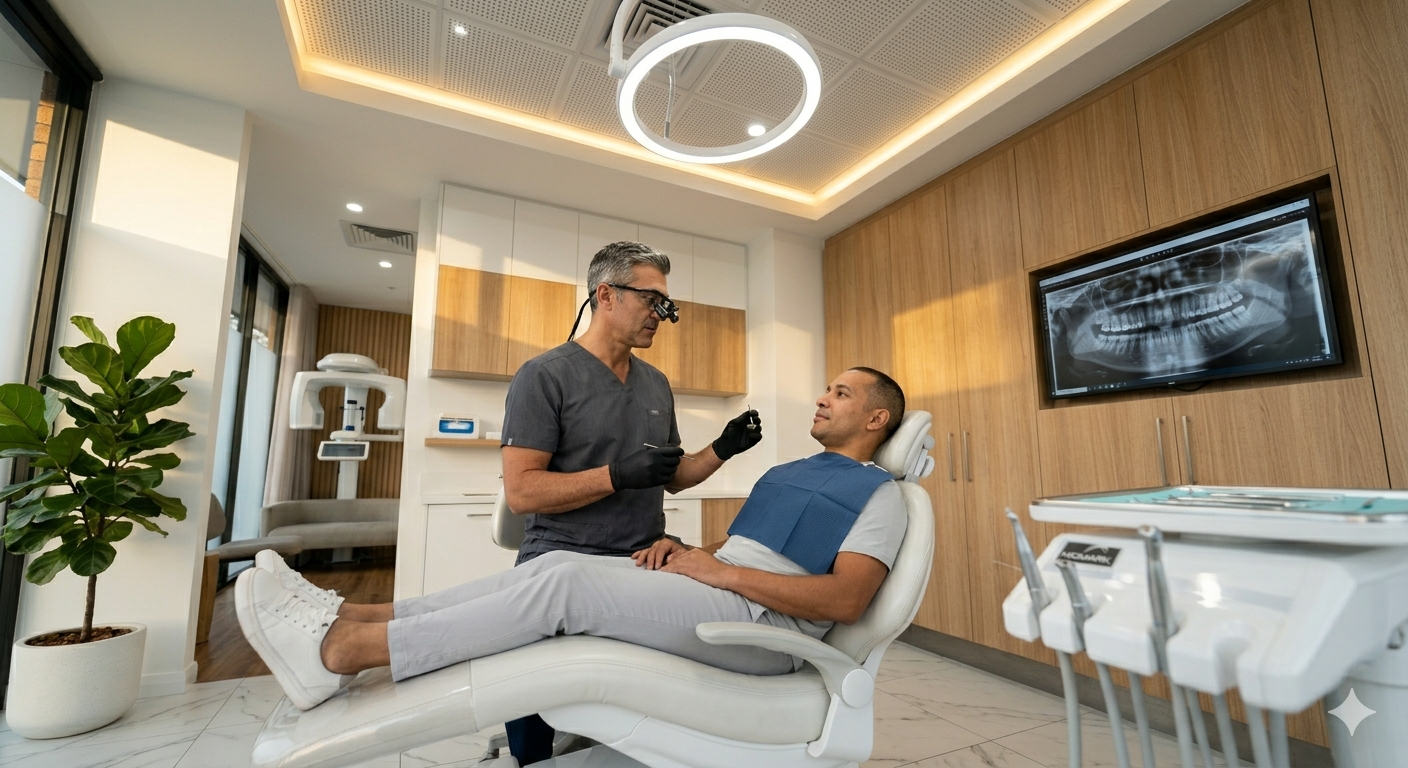
Dental implants are a modern solution for replacing missing teeth that focuses on restoring both function and appearance. They involve a multi-step process that integrates with the jawbone to provide a stable foundation for new teeth. Understanding the components and benefits helps patients feel more confident about this option.
Defining Dental Implants
Dental implants are small, screw-shaped posts made of titanium or other biocompatible materials. These posts are surgically placed into the jawbone beneath the gums. Once healed, they act as artificial tooth roots.
After placement, a connector called an abutment is attached to the implant. Finally, a dental crown, bridge, or denture is fixed onto the abutment, completing the restoration. Implants look and function like natural teeth, supporting chewing and speaking.
How Dental Implants Work
The process starts with placing the implant post into the jawbone during a minimally invasive surgery. Over several months, the bone grows around the implant in a process called osseointegration, securing it firmly. This creates a strong base similar to a natural root.
Once integration is complete, the dentist attaches the abutment and custom-made crown. Implants avoid putting pressure on nearby teeth and help preserve jawbone density. Healing times vary, but many patients return to normal function with improved comfort.
Benefits Over Other Tooth Replacement Options
Dental implants offer several advantages compared to bridges or dentures. Unlike bridges, implants don’t require grinding down adjacent healthy teeth. This preserves natural tooth structure.
Implants also provide better stability than traditional dentures, reducing slipping and discomfort. They help maintain jawbone health by preventing bone loss due to tooth absence. Many people find implants easier to care for because they are brushed and flossed like natural teeth.
Patients often report improved confidence, comfort, and long-term oral health with implants as their replacement choice.
The Dental Implant Process in Doylestown Pennsylvania
Getting a dental implant in Doylestown involves careful steps designed to ensure comfort and lasting results. From the first exam to the final restoration, each part of the process is tailored to the patient’s unique needs. The timeline, assessments, and personalized treatment all work together to create a smooth experience.
Initial Consultation and Assessment
The process begins with a detailed consultation where the dentist reviews medical history and evaluates oral health. X-rays and 3D scans may be taken to check bone density and jaw structure. This helps identify if the patient is a good candidate for implants or if preparatory treatments like bone grafting are needed.
During this visit, the dentist discusses expectations, potential risks, and costs. Patients have the chance to ask questions and understand the steps ahead. It’s a key part of building trust and comfort before moving forward.
Step-by-Step Treatment Timeline
The implant process starts with placing a titanium post into the jawbone under local anesthesia. After this, there is a healing period, usually 3 to 6 months, allowing the bone to fuse with the implant in a process called osseointegration.
Once healed, an abutment—a connector piece—is attached to the implant. Finally, a custom crown is placed on the abutment to restore the tooth’s function and appearance. Each phase is spaced out to ensure proper healing and fit.
Personalized Treatment Planning
Every patient receives a customized plan based on their oral health, lifestyle, and goals. Factors like age, bone quality, and any underlying conditions are considered. The plan includes timelines, alternative options if needed, and steps to maintain oral health post-implant.
The caring dental team in Doylestown works closely with patients to adjust the plan whenever necessary. This approach ensures the best possible outcome tailored to individual needs and comfort levels.
Candidacy for Dental Implants
Dental implants require certain conditions to be successful, including good oral health and adequate bone structure. Addressing factors like overall health and jawbone quality helps determine the best approach for each patient.
Who Is a Good Candidate?
Ideal candidates for dental implants are adults with healthy gums and enough jawbone to support the implant. Good candidates do not have untreated gum disease or chronic conditions that could interfere with healing.
Patients should maintain good oral hygiene and commit to regular dental visits during and after the implant process. Non-smokers generally have higher success rates because smoking can impair healing and increase the chance of implant failure.
Health Considerations
Certain health conditions can affect implant candidacy. Diabetes requires strict blood sugar control because uncontrolled levels slow healing and raise infection risk. Autoimmune diseases and cancer treatments may also reduce implant success due to compromised immunity.
Medications that affect bone metabolism, like bisphosphonates, warrant careful review by the dental team. A thorough health assessment helps ensure the implant will integrate well and that the patient can safely undergo the procedure.
Options for Patients With Bone Loss
Jawbone loss is common after tooth loss but doesn’t automatically disqualify patients from dental implants. Procedures like bone grafting can rebuild the jawbone using natural or synthetic materials to provide a solid foundation.
Another option is using specialized implant types like zygomatic implants, which anchor into denser bone areas. These approaches expand dental implant possibilities for those with insufficient bone, improving outcomes and confidence in the treatment.
Types of Dental Implants Offered in Doylestown
Dental implant options in Doylestown vary depending on the number of missing teeth and the patient’s oral health. From replacing a single tooth to restoring an entire arch, these treatments are designed to provide stability, durability, and a natural appearance.
Single Tooth Implants
Single tooth implants are perfect for patients missing one tooth. The procedure involves placing a titanium post into the jawbone, which acts as a sturdy root. After healing, a custom-made crown is attached, matching the surrounding teeth in shape and color.
This option prevents bone loss and maintains the integrity of neighboring teeth since no dental bridges are needed. The implant feels and functions much like a natural tooth, allowing for normal chewing and speaking. Healing time varies but typically takes a few months for the bone to integrate with the implant.
Implant-Supported Bridges
For patients missing multiple adjacent teeth, implant-supported bridges provide a stable and long-lasting solution. Unlike traditional bridges, which rely on nearby teeth for support, these bridges anchor securely to dental implants.
Usually, two or more implants are placed to support a bridge that spans the gap left by the missing teeth. This approach reduces stress on surrounding teeth and preserves bone structure. The bridge is custom-made for comfort and aesthetics, offering improved chewing ability and a natural look.
Full Arch Solutions
Full arch solutions restore an entire row of teeth, either the upper or lower jaw. Common methods include “All-on-4” or “All-on-6,” where four to six implants support a fixed dental prosthesis.
This technique is ideal for those with significant tooth loss or severe decay. It offers a stable, durable replacement that feels like natural teeth and can improve speech, eating, and confidence. The procedure typically requires careful planning and may involve bone grafting to ensure a strong foundation.
Doylestown dental practices offer personalized implant options designed to meet each patient’s specific needs, combining comfort with modern technology.
Comfort and Care During Treatment
Patients often worry about discomfort and anxiety when considering dental implants. The practice focuses on making the experience as calm and pain-free as possible, with personalized care from start to finish.
Managing Anxiety and Fear
Many patients feel nervous before implant surgery, which is completely normal. To ease anxiety, the team offers calming techniques, like guided breathing exercises and a gentle consultation process that explains each step clearly.
For those with significant dental fear, sedation options such as nitrous oxide (laughing gas) or oral sedatives are available, helping patients feel relaxed without losing full awareness. The staff takes time to listen and address concerns, making sure patients feel supported and informed throughout.
Pain-Free Procedures
Advances in dental technology have made implant placement far more comfortable than in the past. Local anesthesia numbs the area completely, so patients do not feel pain during the procedure.
Many practices also use computer-guided surgery, allowing for precise implant placement with minimal tissue disruption. This leads to quicker healing and less swelling. Post-operative care instructions and pain management strategies are provided to keep discomfort low.
Our Commitment to Patient Comfort
From the first consultation to follow-up visits, the team prioritizes patient comfort. Soft blankets, noise-canceling headphones, and a calming office environment help create a soothing atmosphere during treatment.
Staff members check in regularly during procedures to ensure patients remain comfortable and relaxed. They also provide detailed aftercare instructions and remain available to answer questions, showing genuine care beyond the treatment chair.
What to Expect During Recovery
Recovery from dental implants involves careful attention to healing steps to ensure the procedure’s success and patient comfort. Managing pain, avoiding infection, and recognizing normal healing progress are key parts of this phase.
Immediate Post-Procedure Care
Right after the implant, patients can expect some swelling and mild discomfort. It’s important to apply ice packs to the cheek area for 15-minute intervals to reduce swelling during the first 24 hours.
Avoid rinsing your mouth or spitting forcefully for at least 24 hours to prevent disturbing the implant site. Patients should stick to soft foods, like yogurt and mashed potatoes, and avoid hot drinks to protect sensitive tissue.
Pain medications, prescribed or over-the-counter, help manage discomfort. It’s also crucial to keep the head elevated when lying down to minimize throbbing.
Healing Timeline
The initial healing stage takes about 1-2 weeks, during which gum tissue seals around the implant. Most swelling and tenderness noticeably improve within this time.
Osseointegration—the bone fusing with the implant—typically requires 3-6 months. During this phase, the implant becomes a stable anchor for the dental crown.
Regular dental check-ups let the dentist monitor healing and address any signs of infection or issues early. Mild sensitivity or minor bleeding can be normal but should gradually disappear.
Tips for a Smooth Recovery
Patients should avoid smoking and alcohol since these can delay healing and increase infection risk. Maintaining excellent oral hygiene is vital—gentle brushing around the site and rinsing with a dentist-recommended antimicrobial mouthwash can prevent complications.
Physical activity should be limited during the first few days, and it’s best to sleep on the opposite side of the implant. If there’s unexpected pain, swelling that worsens after 72 hours, or prolonged bleeding, contacting the dental office promptly is important.
Following these care instructions helps make recovery safer and more comfortable while supporting long-term implant success.
Long-Term Success and Maintenance
Maintaining dental implants requires consistent daily care, regular professional visits, and avoiding behaviors that could harm the implant or surrounding tissue. These steps help protect the investment in your smile and keep implants functioning smoothly for years.
Daily Care for Dental Implants
Dental implants need the same careful attention as natural teeth. Patients should brush twice a day using a soft-bristled toothbrush and non-abrasive toothpaste to protect the implant surface.
Flossing around the implant is crucial to remove plaque between the gum and implant crown. Special implant floss or interdental brushes can make this easier. Rinsing with an antibacterial mouthwash also helps reduce bacteria that cause gum inflammation.
Avoid harsh brushing or scraping the implant area, as this can irritate gums or damage the implant surface. Consistent, gentle cleaning supports healthy gums and maintains the implant’s stability over time.
Professional Check-Ups
Regular dental visits are critical for monitoring implant health. Dentists typically recommend check-ups every six months to examine the implant, surrounding bone, and soft tissue.
During these appointments, professionals use tools like X-rays to detect hidden issues such as bone loss or early infection. They also perform professional cleanings to remove any hardened plaque that brushing and flossing miss.
Patients with implants may need more frequent visits if they have risk factors like gum disease, smoking, or chronic conditions. Following your dentist’s tailored schedule ensures small problems don’t turn into bigger ones.
Preventing Complications
Preventing complications starts with avoiding habits that can damage implants. Chewing on hard objects like ice or pens can crack crowns or loosen implants.
Smoking significantly raises the risk of implant failure by reducing blood flow to gums and slowing healing. Quitting tobacco improves the long-term outlook of implants.
Patients should also manage health conditions like diabetes, which can impair healing and increase infection risk. Staying on top of overall health supports the success of dental implants.
If pain, swelling, or loosening occurs, contacting the dentist promptly can prevent serious issues. Early intervention is key to preserving implant function and comfort.
Modern Advancements in Implant Dentistry
Dental implants in Doylestown today benefit from cutting-edge tools, durable materials, and innovative healing methods that make the process smoother and outcomes more reliable. These improvements focus on precision, patient comfort, and long-lasting results.
Latest Technology Used Locally
Dentists in Doylestown use 3D cone beam imaging to get exact views of the jawbone and surrounding structures. This technology allows for precise implant placement, reducing surgery time and minimizing complications.
Computer-guided implant surgery helps tailor the procedure to individual anatomy. It means fewer surprises during surgery and better alignment of implants. Some clinics also use CAD/CAM systems to design custom crowns right in the office, speeding up the restoration.
Digital impressions replace messy molds, making appointments more comfortable and accurate. These tools improve the overall patient experience and boost success rates.
Materials for Longevity
Titanium remains the gold standard for implants due to its biocompatibility and strength. It fuses reliably with bone, ensuring a stable foundation for teeth replacement.
Some dentists also offer zirconia implants, which are metal-free and have a more natural color. Zirconia is a good option for patients with metal sensitivities or those who want a more aesthetic look.
Implant crowns are now made with advanced ceramics that resist wear and staining. These materials maintain a natural appearance over time. Dentists combine strength and aesthetics to ensure implants last many years.
Faster Healing Techniques
Platelet-rich plasma (PRP) therapy is becoming popular in Doylestown implant procedures. It uses growth factors from the patient’s blood to speed up tissue healing around the implant site.
Minimally invasive surgical methods reduce trauma to the gums and bone. Smaller incisions mean less swelling and pain afterward. Patients often experience quicker recovery and can return to normal activities sooner.
Some practices also use laser therapy to enhance healing and reduce inflammation. These advancements focus on patient comfort and quicker restoration of a healthy smile.
Why Choose a Doylestown Implant Specialist?
Selecting the right dental implant provider means finding someone who knows the community, understands each patient’s unique needs, and prioritizes long-term care. A Doylestown specialist offers tailored expertise and a compassionate approach that goes beyond simply placing implants.
Local Expertise and Credentials
A Doylestown implant specialist brings years of focused training in implant dentistry combined with local experience. Many hold advanced certifications and belong to respected dental organizations, ensuring they stay current with the latest technologies.
Working within the community means they understand local health trends and can address typical patient concerns effectively. Their familiarity with regional oral health patterns helps create precise treatment plans. Patients benefit from a care provider who values continuing education and uses proven techniques backed by science.
Personalized Patient Experience
Every person’s mouth is unique, so a personalized approach is critical in dental implants. Specialists in Doylestown take the time to evaluate bone density, gum health, and overall dental condition before suggesting solutions.
They prioritize clear communication, answering all questions and adjusting treatments to fit patients’ lifestyles and budgets. Advanced imaging and planning tools allow them to create implant placements tailored for comfort and durability. This focus on individualized care leads to higher satisfaction and fewer complications.
Community-Focused Care
Doylestown implant dentists are deeply connected to their community. They build relationships that extend beyond appointments and offer continuous support throughout the healing process.
Their offices often partner with local specialists when needed, ensuring comprehensive treatment without long delays. This community-based approach provides convenience and trust, making patients feel they’re cared for by neighbors who genuinely want to improve their smiles.
Patients looking for a blend of expertise, personalized attention, and community values will find these specialists a strong choice.
Taking the Next Step Toward a Healthy Smile
Choosing dental implants in Doylestown means deciding on a long-lasting solution for missing teeth. Patients often feel unsure at first, but understanding the process can ease concerns. The dental team focuses on comfort and clear communication every step of the way.
During the initial consultation, the dentist evaluates oral health and discusses goals. They may use digital imaging to create a personalized treatment plan. This ensures the implants fit naturally and function well.
Here’s what patients can expect:
- A thorough oral exam
- Customized implant placement
- Follow-up visits to monitor healing
- Guidance on maintaining implants for years to come
Implants look and feel like natural teeth, improving both appearance and chewing ability. Many patients appreciate the stability they provide compared to dentures.
If a patient has questions or feels nervous, the dental office encourages open dialogue. Comfort options and sedation may be available to make the experience as smooth as possible.
Taking this step supports not just a healthier smile but overall wellbeing. It’s a positive move toward restoring confidence and oral function.
Patients interested in learning more or scheduling a consultation are invited to reach out to their local Doylestown implant specialist.
Frequently Asked Questions
Many people wonder about candidacy, the timeline, comfort during the procedure, costs, and daily care for dental implants. Understanding how implants differ from bridges or dentures also helps in making an informed choice.
Am I a good candidate for dental implants if I’ve been missing a tooth for a while?
Patients who have been missing a tooth for an extended time can still be good candidates. The main factor is whether there is enough healthy jawbone to support the implant.
If bone loss has occurred, bone grafting may be recommended to rebuild the area before placing an implant. A dental professional will assess bone density through imaging to determine suitability.
What does the dental implant process look like from start to finish, and how long does it usually take?
The process begins with a consultation and imaging to evaluate oral health. Next, the implant post is surgically placed into the jawbone.
Healing takes about 3 to 6 months to allow the bone to fuse with the implant. After this, the abutment and crown are attached. The entire timeline can range from several months up to a year depending on individual healing.
Will getting a dental implant hurt, and what are my options to stay comfortable during the procedure?
Local anesthesia and sedation options are available to keep patients comfortable during implant surgery. Most people report feeling little to no pain during the procedure itself.
Post-surgery discomfort can be managed with over-the-counter pain relievers and cold compresses. Dentists provide clear aftercare instructions to minimize any soreness.
How much do dental implants typically cost, and what payment or financing options might be available?
Dental implants generally cost between $3,000 and $5,000 per tooth, including surgery and restoration. The price varies based on location and the complexity of the case.
Many dental offices in Doylestown offer payment plans or work with third-party financing companies. Some dental insurance plans may cover part of the cost, depending on coverage.
What’s the difference between a dental implant and other tooth replacement options like bridges or dentures?
Dental implants replace the tooth root, providing a stable foundation for a crown. Bridges rely on adjacent teeth for support, which can affect their health.
Dentures are removable and rest on the gums but do not stop bone loss like implants do. Implants offer a more permanent, natural-feeling solution.
How do I care for a dental implant day-to-day so it stays healthy for the long run?
Daily brushing and flossing around the implant area are essential to prevent gum disease. Regular dental check-ups help monitor the implant’s condition.
Avoiding hard foods and refraining from smoking can also protect the implant. Good oral hygiene habits contribute to the long-term success of dental implants.


