

Many people considering dental implants in Doylestown, PA, want to know how much the procedure will cost upfront. The cost of dental implants typically ranges from $3,000 to $5,000 per tooth, depending on factors like the implant type, the patient’s overall oral health, and the specific dental office fees. This gives a clear starting point for anyone budgeting for this treatment.
The price can vary if additional procedures are needed, such as bone grafting or extractions, which are common steps before placing implants. Local dental practices in Doylestown often provide personalized quotes after a thorough examination to ensure each patient gets a clear understanding of what their unique treatment plan involves.
Understanding the cost is just one part of the journey. Patients benefit most by focusing on finding a trusted dental provider who explains every step and prioritizes comfort. Reaching out to a local expert can help answer specific questions and provide options tailored to individual needs.
Factors Affecting Pricing
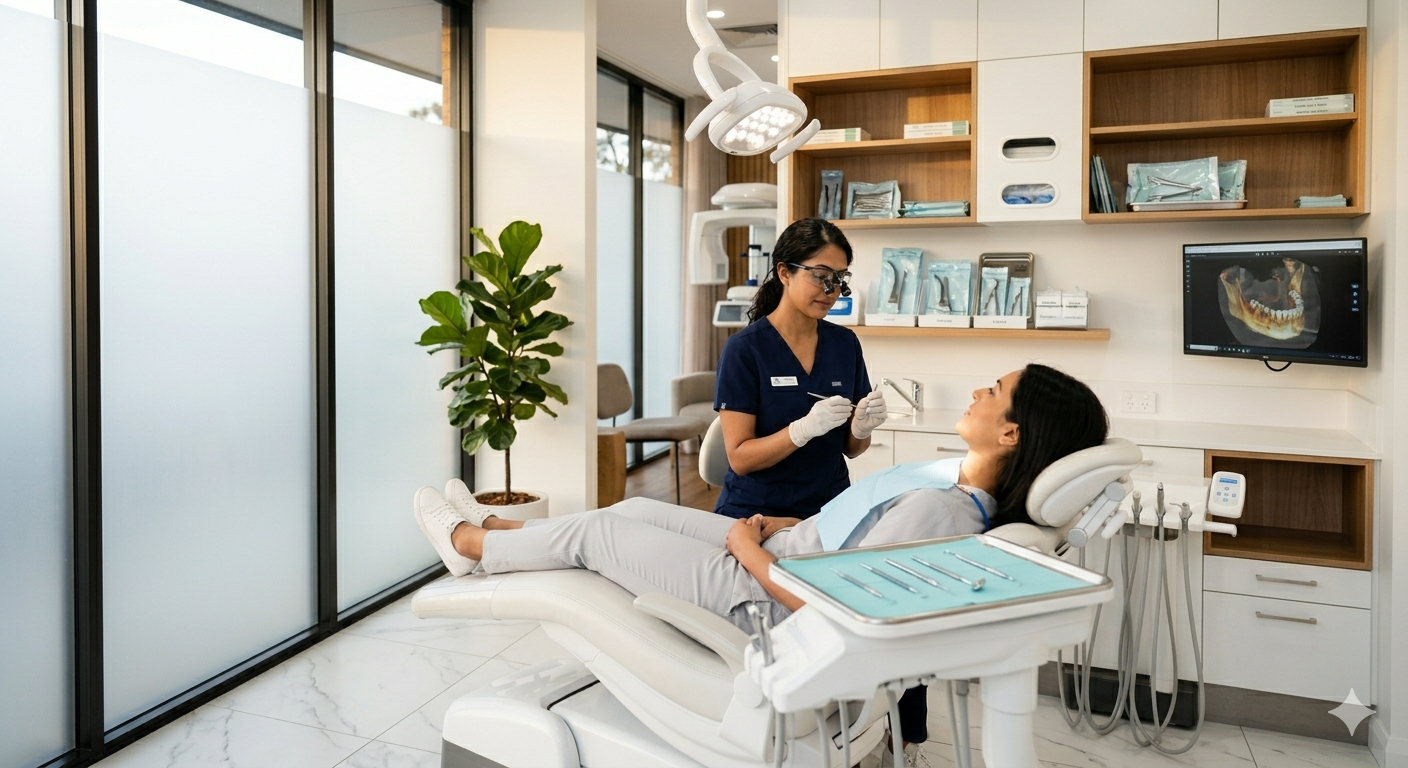
The cost of dental implants varies based on several practical factors. These include how many implants are needed, the materials used, and the dentist’s location and experience. Each element influences both the price and the final outcome.
Number of Implants Needed
The number of implants plays a big role in pricing. A single implant will cost less than multiple implants, partly due to the cost of materials and surgical time. Sometimes, multiple implants can be placed together, which may reduce the total cost per implant.
Patients needing full-mouth restoration will pay more because it often involves several implants and additional procedures like bone grafts or sinus lifts. Also, fewer implants can sometimes support a denture, which might be more affordable but depends on individual needs.
Types of Implant Materials
Implant materials affect durability and cost. The most common implant posts are made from titanium, praised for strength and biocompatibility. Titanium implants typically have a moderate to high price but last a long time.
Another option is zirconia implants, which are ceramic and prized for their natural tooth-like look and metal-free composition. Zirconia implants usually cost more upfront. Choosing the right material balances aesthetic preferences with budget considerations.
The crown or prosthetic attached to the implant also varies in material—from porcelain to ceramic fused to metal—each with different price points.
Location and Experience of the Dentist
Where the implant is placed geographically has a direct impact on cost. Dental offices in Doylestown, PA, may have different pricing compared to larger cities due to overhead and local market rates.
The dentist’s experience can also affect the fee. Highly skilled implant specialists often charge more because of advanced training and a proven track record of successful outcomes. This investment can be worthwhile for complex cases needing careful planning and execution.
Many patients find that choosing a knowledgeable provider enhances comfort and reduces potential complications, justifying the expense.
Treatment Steps and Associated Costs
Dental implant treatment involves several distinct phases, each with its own costs. From initial exams to final restorations, understanding these steps helps patients plan financially and mentally for their implant journey.
Preliminary Exams and Imaging
Before placing an implant, thorough exams and imaging are essential. These include X-rays or CT scans to assess jawbone density and detect any underlying issues.
Costs for these preliminary steps in Doylestown, PA, typically range from $150 to $400. This price covers detailed dental exams and specialized imaging. Sometimes, additional tests like bone graft assessments may be needed, increasing costs slightly.
This stage ensures the implant is placed in the best possible position for long-term success. It also allows the dentist to customize the treatment plan based on each patient’s unique needs.
Tooth Extraction Fees
If damaged or decayed teeth must be removed before implant placement, extra costs apply. Extraction prices usually vary depending on complexity—simple extractions are less costly, while surgical ones involving impacted teeth cost more.
In Doylestown, average extraction fees range from $150 to $600 per tooth. There may also be additional charges if sedation or anesthesia is required for patient comfort during the procedure.
Patients considering implants should factor in these fees when preparing financially. Timely extractions can promote better healing before implants are placed.
Placement and Restoration Charges
The core of implant treatment is the surgical placement of the titanium post and the final crown restoration. Implant surgery in Doylestown often costs between $1,500 and $3,000 per implant. This includes the implant fixture, abutment, and labor.
Restorations, like custom crowns or bridges, typically add another $1,000 to $2,500 depending on materials and aesthetics. High-quality ceramic crowns may cost more but offer a natural appearance.
Some dentists offer package pricing that includes placement and restoration. Patients should confirm what is included to avoid unexpected expenses. Payment plans or financing options are often available to assist with affordability.
Comparing Implant Options
Dental implants come in different styles tailored to the number of teeth missing and the patient’s jawbone structure. Choosing the right option influences treatment cost, healing time, and long-term results.
Single Tooth Versus Full Arch
Single-tooth implants replace one missing tooth using a titanium post and a crown. This option suits patients with isolated tooth loss and provides a natural look and bite. The process typically involves a few months of healing before the crown is placed. Cost varies based on the implant brand, the need for bone grafting, and the crown material.
Full arch implants, on the other hand, restore an entire row of teeth using four to six implants to support a fixed denture. This method is ideal for those missing most or all upper or lower teeth. It usually shortens treatment time compared to multiple single implants. Although more expensive upfront, full arch implants can be more cost-effective over time than replacing individual teeth separately.
Traditional vs. Mini Implants
Traditional implants are around 3.5 to 6 mm in diameter and are the standard choice for most patients. They offer strong support for crowns, bridges, and dentures but require sufficient bone density. The surgical process is well-established, and the implants typically last decades with proper care.
Mini implants have a smaller diameter, usually less than 3 mm. They can be a good option for patients with narrow jaws or less bone mass who might avoid bone grafting. Mini implants often cost less and involve a quicker procedure. However, they may not provide the same support for large bridges or full dentures and could have a shorter lifespan compared to traditional implants.
Insurance and Payment Solutions
Understanding how insurance and payment options work can help patients plan for dental implant costs more comfortably. Many clinics in Doylestown offer flexible solutions to reduce upfront expenses and fit different budgets.
Dental Insurance Coverage
Most dental insurance plans in Doylestown do not fully cover dental implants, but they may pay for related procedures like X-rays, consultations, or extractions. It’s important for patients to carefully review their specific plan details because coverage varies widely.
Some policies categorize implants as cosmetic, limiting or excluding coverage. However, if implants are medically necessary, certain insurers might cover a portion. Patients should contact their insurance representative to confirm benefits.
Dental offices often assist by submitting claims and explaining which parts of the implant procedure might be reimbursed. This support can help avoid surprise costs and clarify out-of-pocket responsibilities before treatment begins.
Flexible Payment Plans
To ease financial burden, many dental offices in Doylestown offer flexible payment plans tailored to patient needs. These plans often break down the total cost into manageable monthly installments.
Some providers partner with third-party lenders like CareCredit, allowing patients to access low or no-interest financing. Terms usually range from six months to several years depending on the loan amount.
Payment plans can cover the entire implant process or just specific parts, such as surgery or crown placement. Patients are encouraged to discuss options openly with their dental team to find a plan that fits their budget while receiving quality care.
Benefits Beyond the Price Tag
Dental implants offer advantages that extend well past their initial cost. They provide lasting support for oral health and enhance everyday experiences like eating and speaking. Understanding these benefits helps clarify why implants are a valuable investment.
Long-Term Value
Unlike dentures or bridges, dental implants are designed to last decades with proper care. They fuse with the jawbone, preventing bone loss—a common issue that can change facial structure over time. This stability means fewer dental visits and less need for replacement or adjustment.
Implants also protect surrounding teeth. They don’t rely on neighboring teeth for support, reducing wear and tear on natural teeth. Over the years, this preserves overall oral health, potentially lowering future dental expenses.
Quality of Life Improvements
Dental implants restore chewing ability close to natural teeth, allowing patients to enjoy a wider range of foods comfortably. This can improve nutrition and digestion, which are vital for overall health.
They also boost confidence. Implants look and feel like real teeth, helping patients speak and smile without hesitation. For many, this positively affects social interactions and mental well-being, making daily life more enjoyable.
Choosing the Right Dental Provider
Selecting the right dental provider for implants in Doylestown, PA, is an important step. Patients should look for experience specifically with dental implants, as this procedure requires specialized skills.
A good provider will offer a personalized consultation to discuss options, costs, and what to expect during the process. It’s helpful to check reviews, ask for before-and-after photos, and confirm if the provider uses the latest implant technology.
Comfort and communication matter too. A team that listens carefully and explains every step clearly can make the experience less stressful. Some offices use sedation options and digital imaging to enhance comfort and precision.
Key factors to consider:
| Factor | Why It Matters |
|---|---|
| Experience | Improves outcomes and safety |
| Technology | Offers modern, less invasive care |
| Patient reviews | Insight into satisfaction levels |
| Fees and financing | Helps plan affordability |
Choosing a provider who balances skill with patient care helps ensure the best results. If someone is unsure, scheduling a consultation can provide clarity and confidence.
Next Steps Toward Your Healthiest Smile
After considering the cost of dental implants in Doylestown, PA, the next step is scheduling a consultation with a trusted dentist. During this visit, the dentist will evaluate oral health and discuss individual needs to create a tailored treatment plan.
Patients should prepare by gathering any relevant dental records and listing questions or concerns. This helps ensure a clear conversation about options, timelines, and costs.
What to expect at the consultation:
| Step | What Happens |
|---|---|
| Examination | Thorough check of teeth and gums |
| Imaging | X-rays or 3D scans for planning |
| Treatment planning | Discuss implant types, costs, timing |
| Financial options | Explore payment plans or insurance |
Maintaining good oral hygiene and following the dentist’s advice will support a smoother implant process. Modern techniques and comfortable care make this a positive experience.
Encourage patients to reach out with questions or to schedule an appointment soon. Taking action today is an important move toward a healthy, confident smile.
Frequently Asked Questions
Dental implant costs can vary based on several key elements, including the type of procedure and materials used. Understanding the difference between implants and other options, along with insurance and payment details, helps clarify what to expect financially.
What factors usually affect the total price of getting dental implants?
The total cost depends on implant type, number of implants, and the condition of the jawbone. Additional treatments like bone grafts or extractions also increase expenses. Location and the dentist’s experience play a role too.
About how much does a single-tooth implant typically cost compared with a dental bridge?
A single-tooth implant in Doylestown PA usually ranges from $3,000 to $5,000. A dental bridge typically costs less, about $1,500 to $2,500, but may require altering adjacent teeth. Implants often offer a longer-lasting solution.
Do dental implant fees usually include the crown, imaging, and follow-up visits, or are those separate charges?
Many implant quotes cover the implant post only. Crowns, X-rays or 3D imaging, and follow-up visits often incur separate charges. Patients should ask the dental office for a detailed breakdown before treatment.
Are implant-supported dentures more cost-effective over time than traditional dentures?
Implant-supported dentures usually cost more upfront but offer better stability and durability. Over time, they may save money by reducing the need for replacements and adjustments compared to traditional dentures.
Do dental insurance plans or Medicare help pay for dental implants, and what are the most common coverage limits?
Most dental insurance plans don’t fully cover implants; they may cover parts like the crown or consultation. Medicare typically does not cover dental implants. Annual coverage limits often cap around $1,000 to $1,500.
What financing options or monthly payment plans are commonly available for dental implant treatment?
Many dental offices in Doylestown PA offer financing plans through third-party lenders. Options often include low-interest or interest-free payments spread over 6 to 24 months. Patients can also use care credit cards designed for medical expenses.


